Project Overview
This project responds to a culture where shame seems to have become obsolete, where losing restraint, among other things, gets called freedom, honesty, self-expression and the good old, pause for drum-roll… progressive. In this kind of atmosphere, damage is not hidden, corrected or even acknowledged as questionable, but it is aestheticised, circulated, monetised, and for some unknown reason admired like a little ornament in the shop window.
But these are not your typical ornaments. They are spores, small agents of deterioration, each one carrying its own strain of cultural or psychological damage, maybe even both. Some infect attention. Some reward spectacle over substance. Some teach people to aestheticise their own collapse, perform their own injury, and call exposure the same thing as truth. Others flatten judgement and blur the boundaries until decay looks hunky-dory, so long as it’s curated right, the crouch, the angle, the light adjusted until the rot looks intentional. Then finalised with a hashtag.
Like a blowball torn open in the wind, what gets released into culture is rarely followed to where it lands. That is where the real damage begins. These little agents of destruction give that condition a body. Each spore carries a different strain of contagion, but it’s all the same disease underneath: the corrosion of moral limits, social limits, psychological limits, worn down by performance and attention and being looked at.
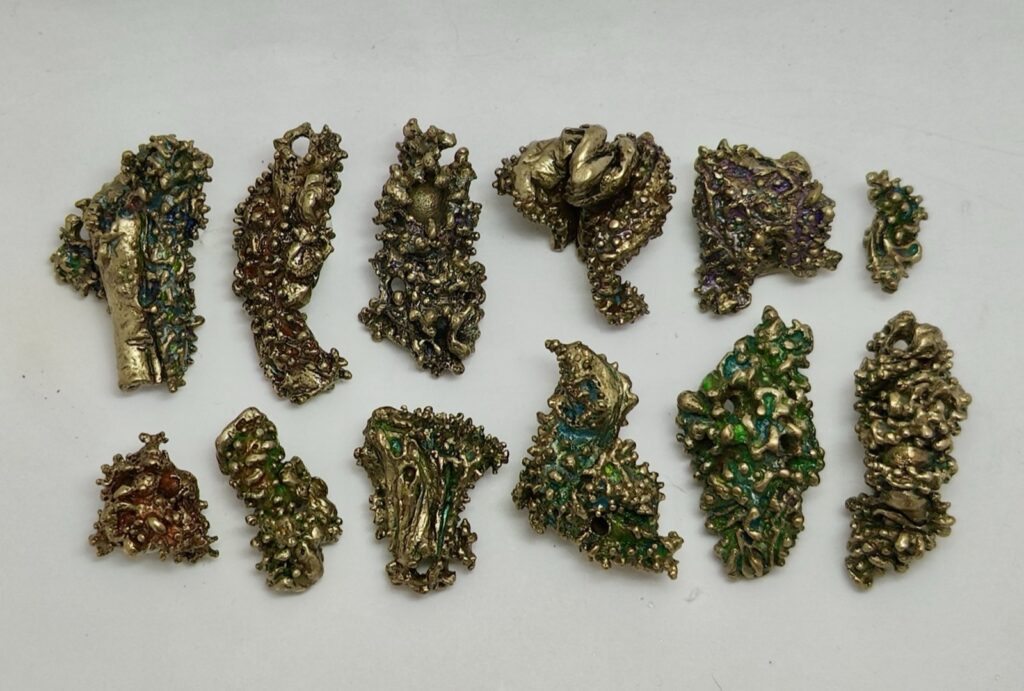
Decay for Clout : Specimen Drop
Material: Brass and mica-based patina
Technique: Forms built with air-drying clay, homemade Mitsuro Hikime wax, and lacquer wax; completed using experimental wax forming, casting, and hand painting.
Size: Various (approx. 2.1–4.5 cm high × 1.1–2.9 cm wide)
Description: Small but deliberate agents of aesthetic rot. Part artefact, part performance, each a witness, a symptom, a seed, echoing themes of contagion, spiritual commodification, and parasitic trends. Corrosion proliferates inbiological fallout, attention matters. A decay designed to be watched.
Slide Two: Trending Pathogen
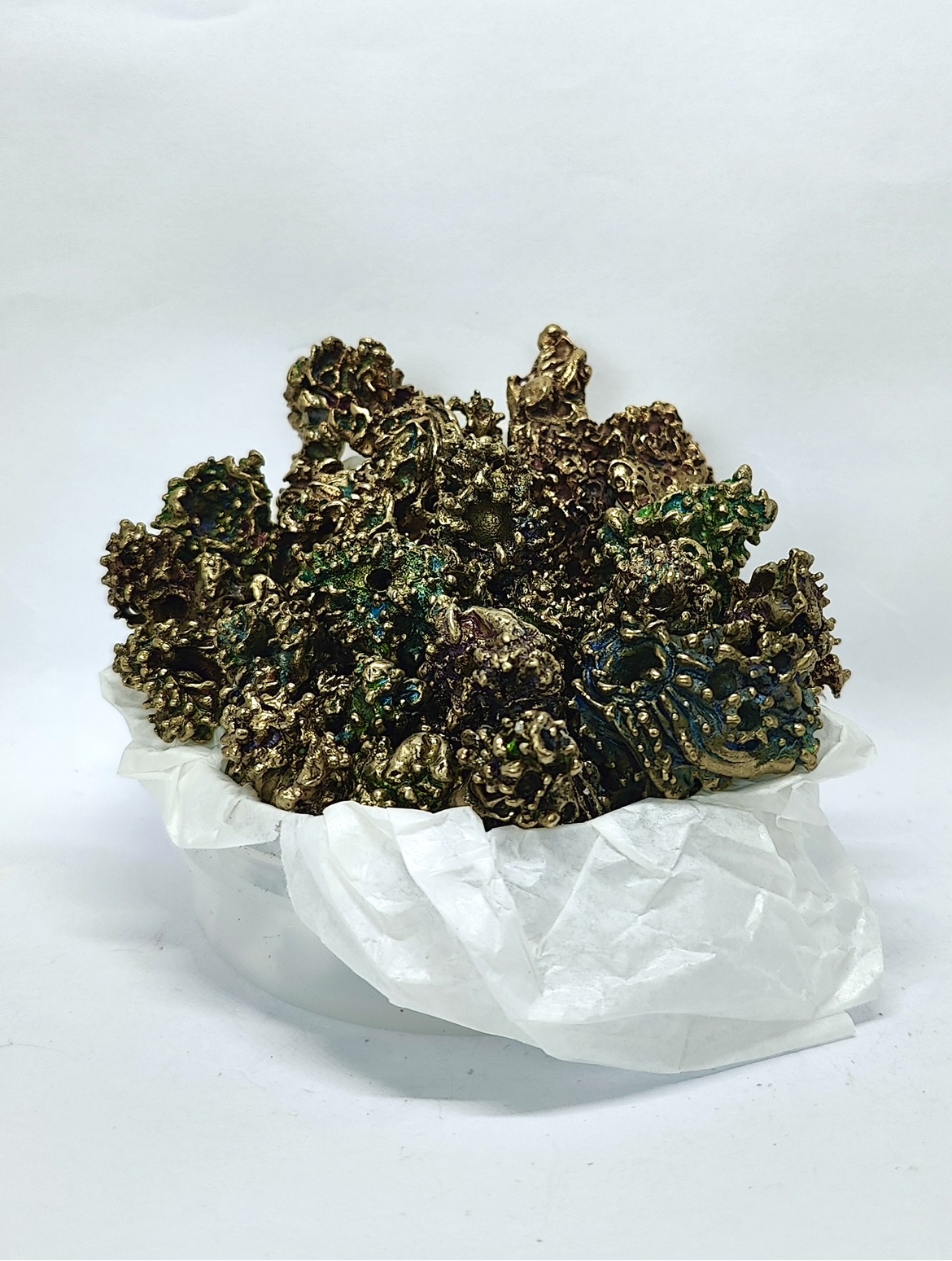
A staged petri dish posing as curation, Distinct yet indistinguishable, contained but inviting observation. These spore samples aren’t archived; they’re activated. Displayed as spectacle, they invite study but deny closure. Even corrosion gets branded. Even infection earns a following. In content culture even decay becomes positive algorithmic data.
The Spotlight Club: Diorama of Worship and Decay
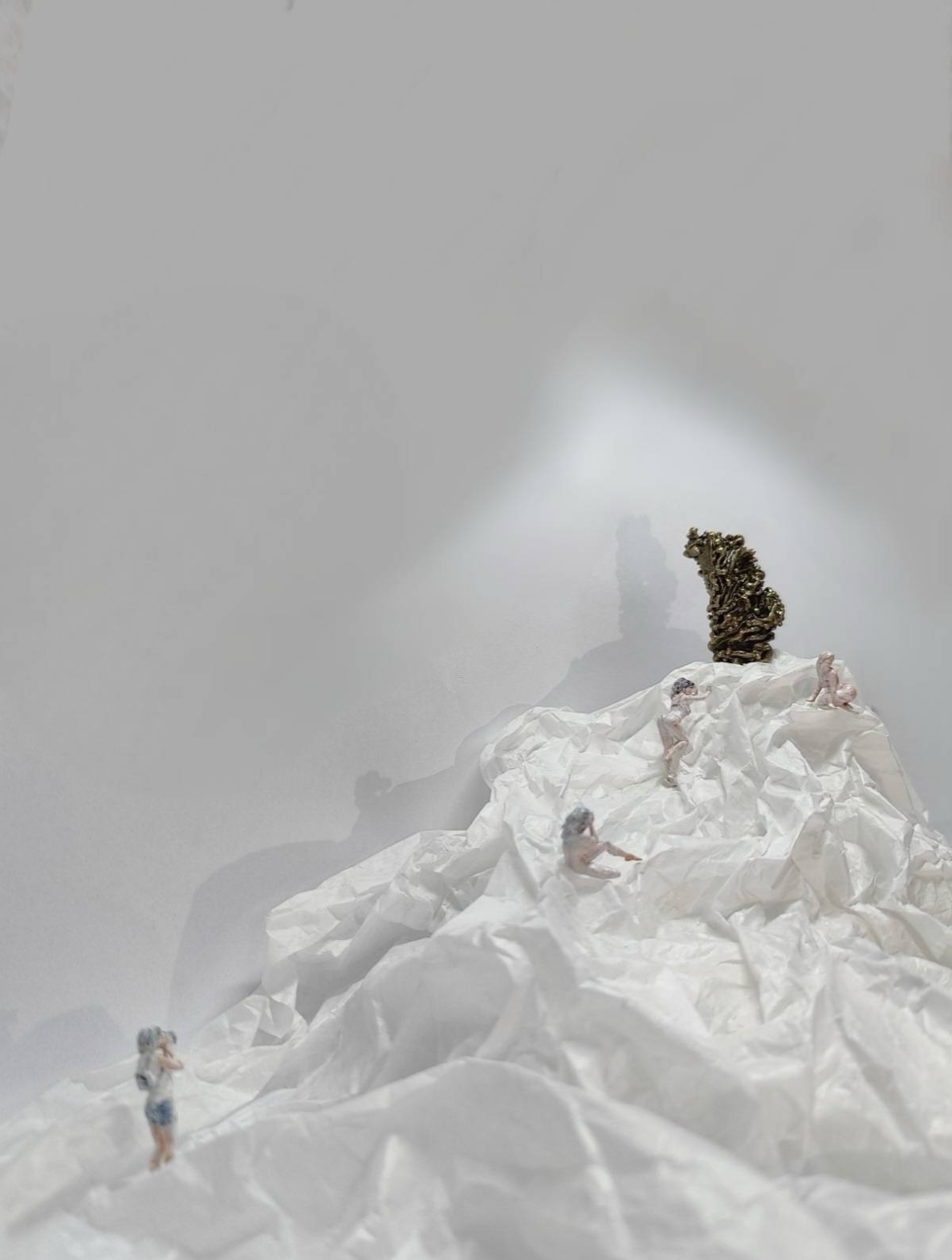
Collapse is sanctified for engagement. They climb not to question, but to be seen. Corrosion becomes altar. Rot becomes virtue. This diorama stages a culture rewarding surface over substance, desperately scrabbling for spectacle, aestheticising decay, and worshipping whatever performs. No one asks what lies beneath. Only what trends.
Written Project Companion
Sanctified Decay is a forthcoming text from the Rotwhite archive, expanding the unseen world these spores inhabit, where corrosion becomes content, ritualised, aestheticised, and mistaken for beauty or purpose. This is not healing. It is curated collapse.
Excerpt: ‘No pain without polish. Only stillness is shared…’
Bulbar Mass
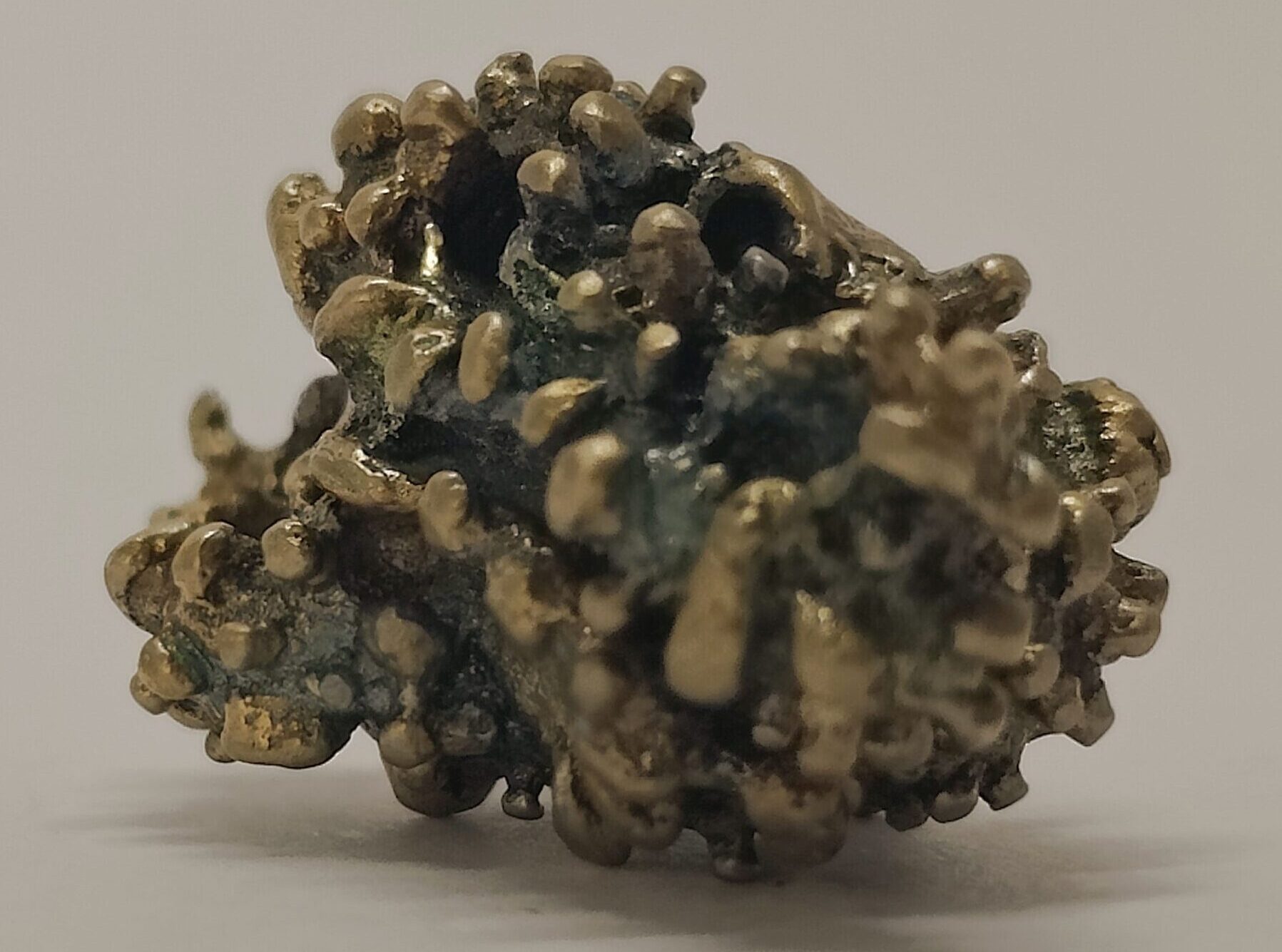
A swollen, compacted form where growth thickens into a dense pathological knot. Its rounded protrusions and compressed surface make it feel like a bodily build-up under pressure, caught between tumour, bulb, and colony, as though multiplication has been forced inward until it can no longer stay contained.
Contagion: escalation for attention
Effect: pressure packed so tight that eruption starts to look like proof of importance
Host Tube
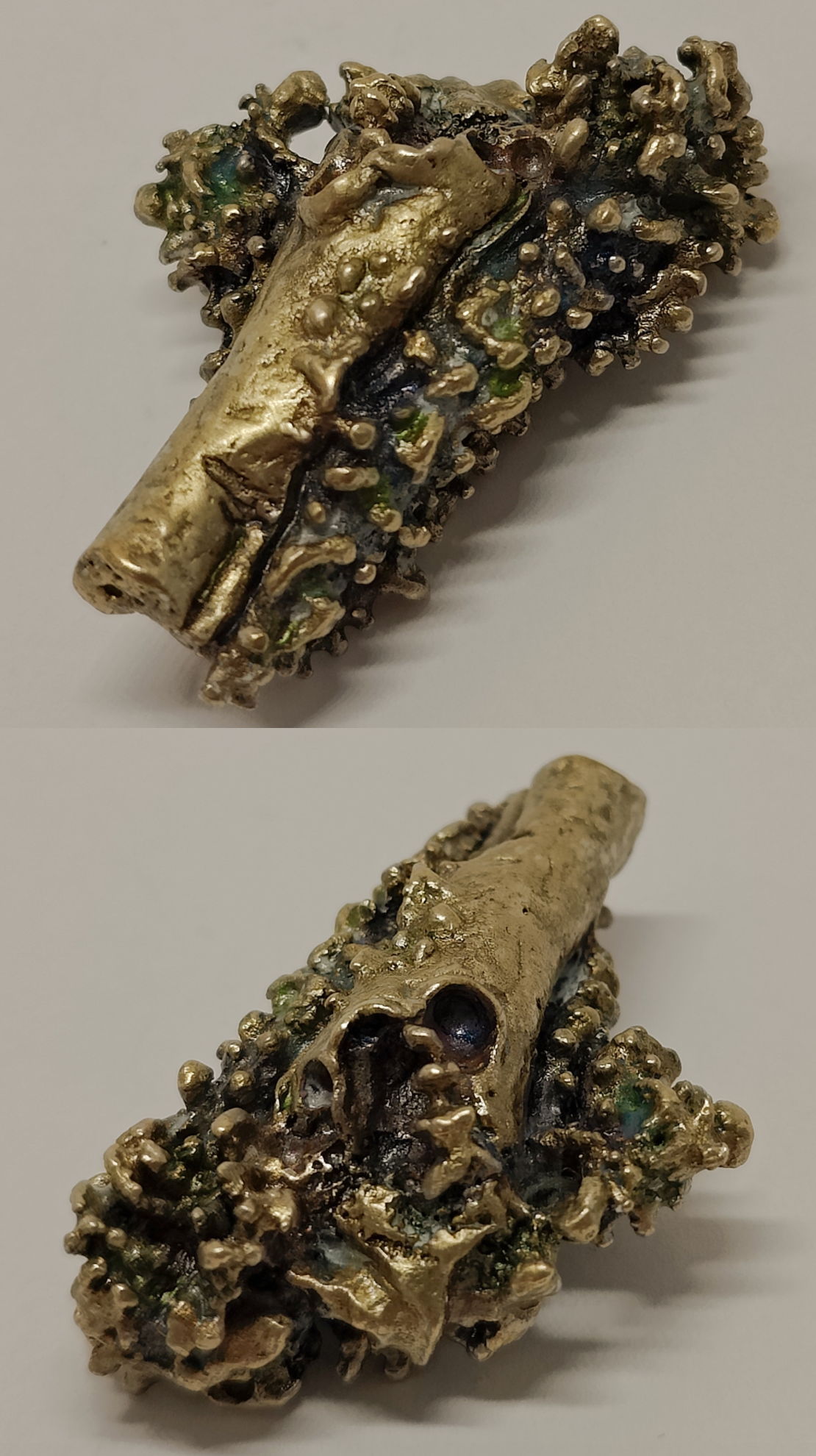
A tubular fragment that reads like a host body hollowed out and overtaken at the mouth. Its open centre and clustered edge growth suggest infection working through structure from the inside, turning a once-functional channel into a carrier remade for occupation, transfer, and persistence.
Contagion: self-emptying for approval
Effect: identity stripped back until it can carry anything but itself
Grasping Bloom
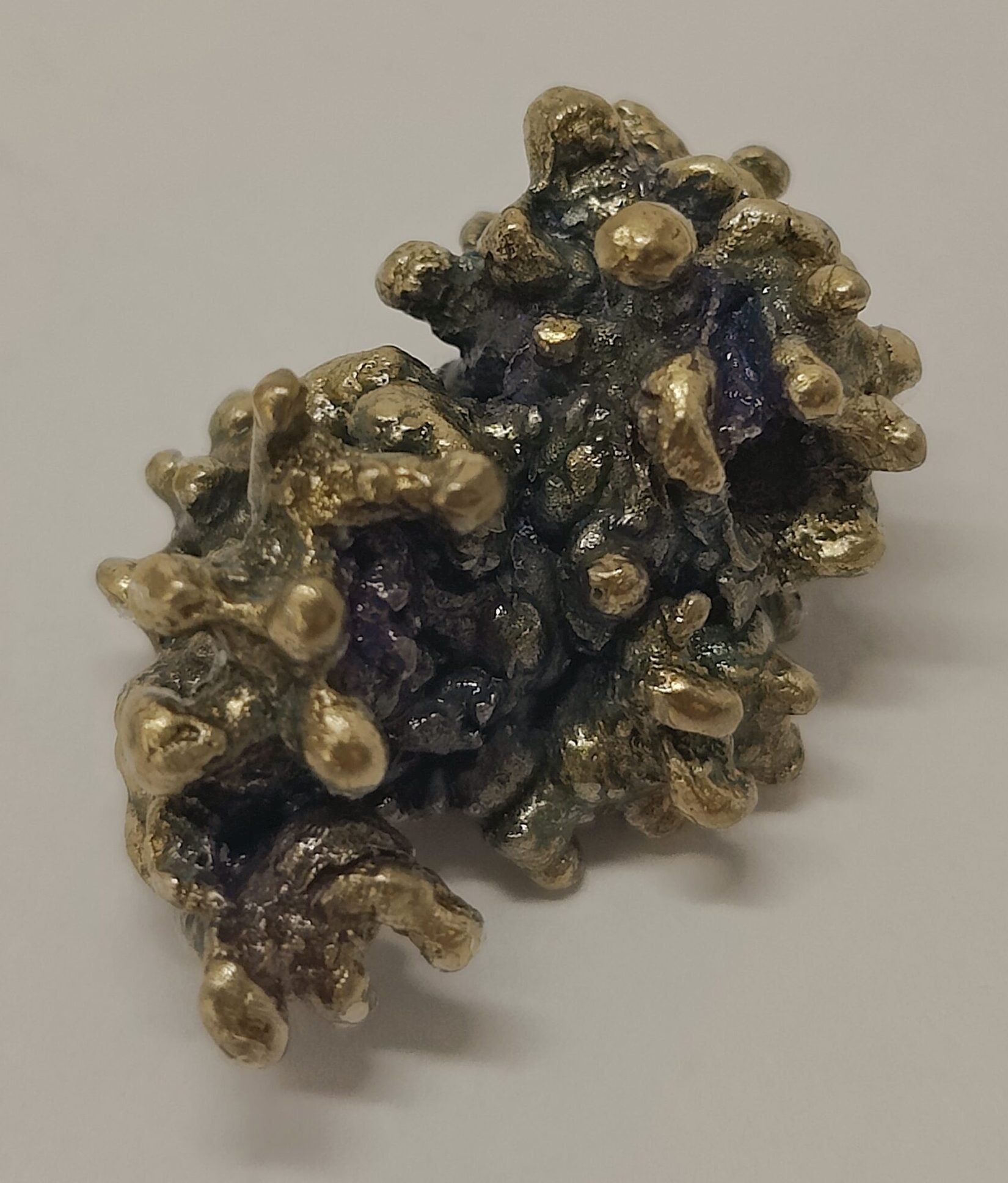
A bruised, reaching form whose protrusions feel less decorative than grasping, as though the growth is actively extending itself into surrounding space. It draws on mutation, creep, and invasive spread, where bloom stops behaving like ornament and starts behaving like appetite.
Contagion: entitlement to trespass
Effect: appetite reaching past every limit and calling it growth
Bone Mask
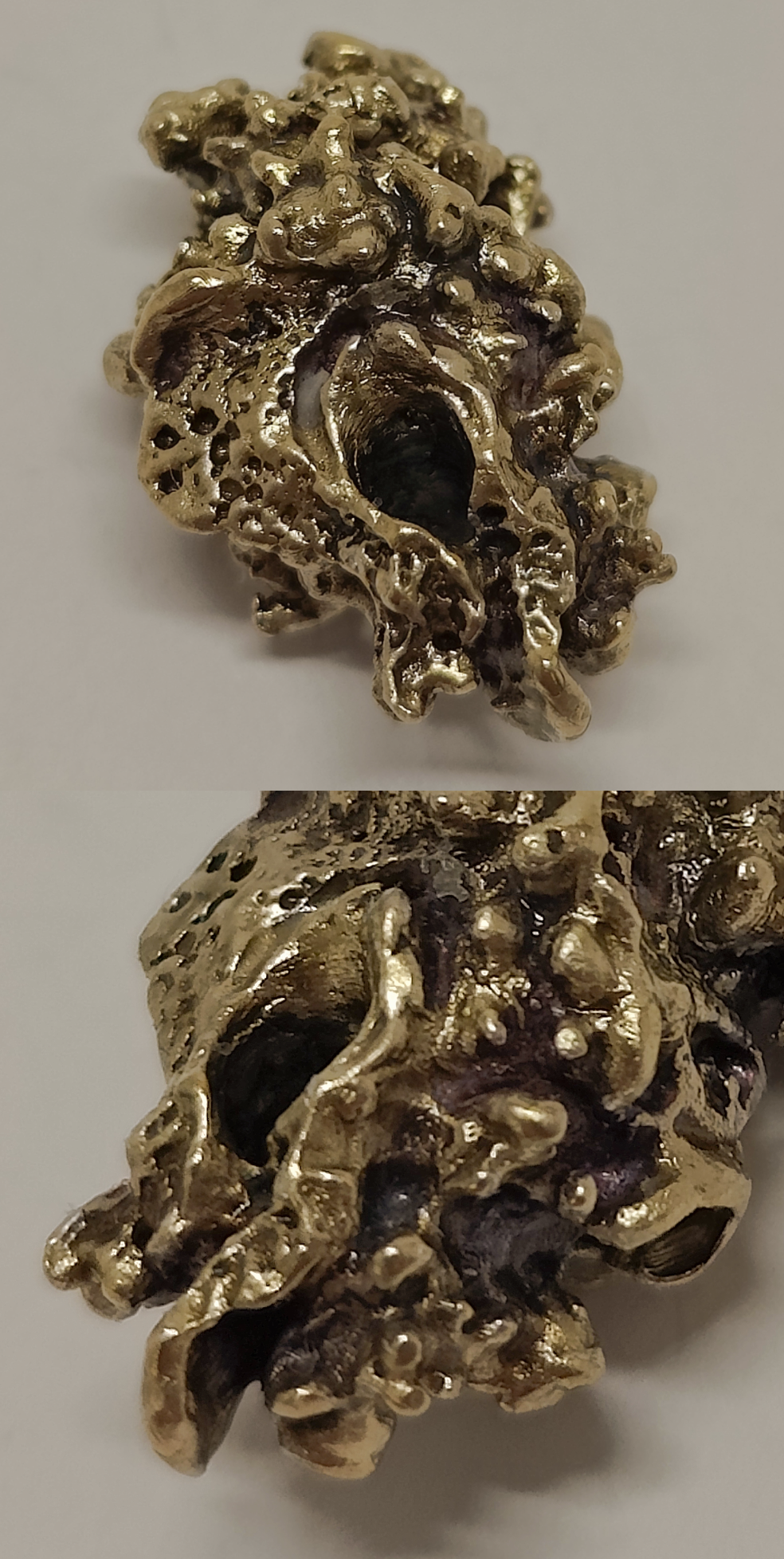
A hollowed form that suggests skull, mask, and remains without settling fully into any one anatomy. Its open cavity and encrusted edges make it feel like a face partially eaten back into structure, where selfhood has collapsed into residue, bone, and the need to keep presenting something outward.
Contagion: selfhood replaced by display
Effect: identity eaten away until only the performance remains
Vein Rot
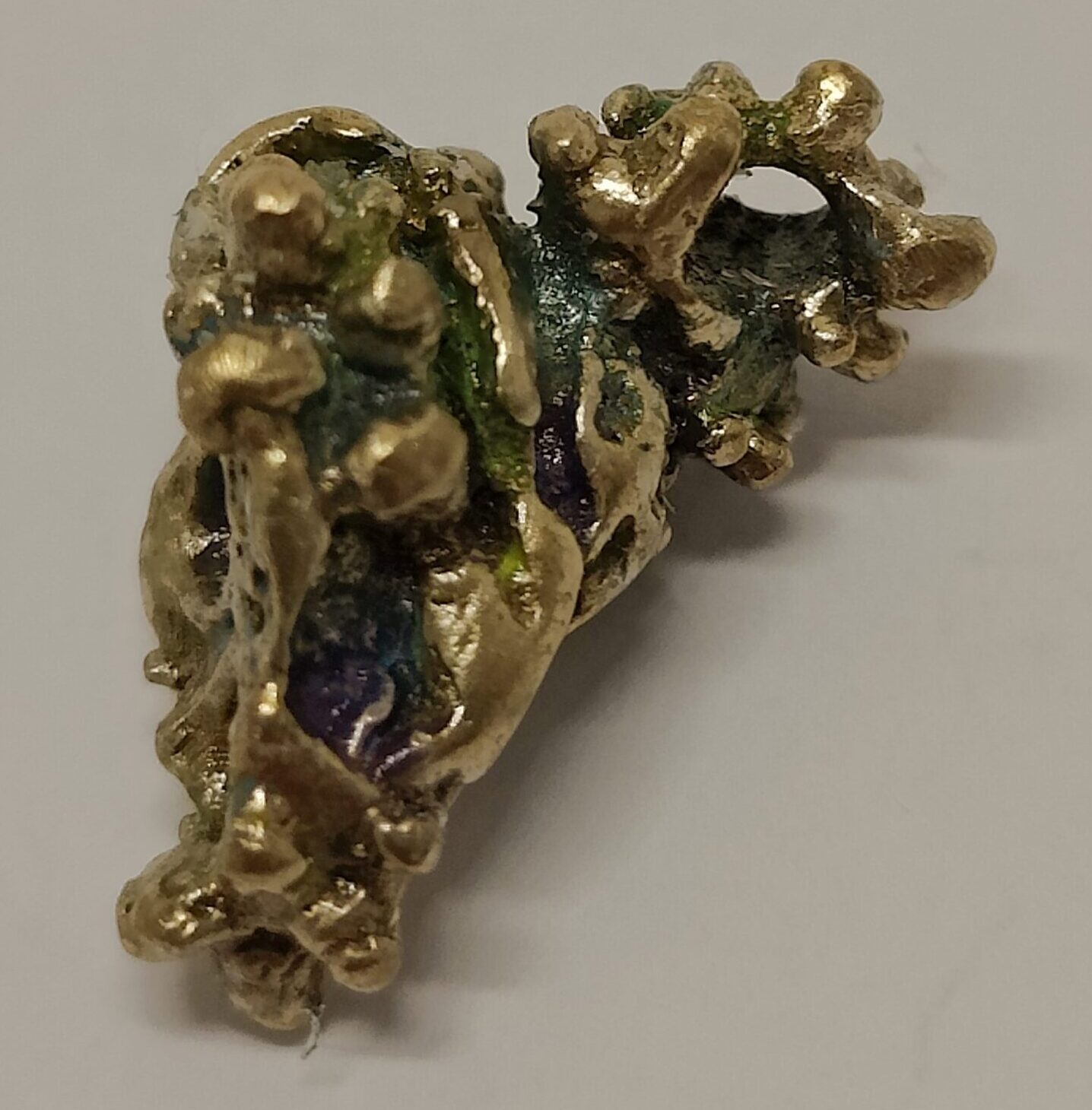
A narrow form laced with green and blue channels that make the corrosion feel circulatory rather than merely surface-bound. It reads like rot moving through a body’s hidden routes, where infection travels by vein, root, or spore-path until the inner system itself becomes the means of spread.
Contagion: swallowing the poison
Effect: corruption circulating through the system as if it were lifeblood
Inflamed Idol
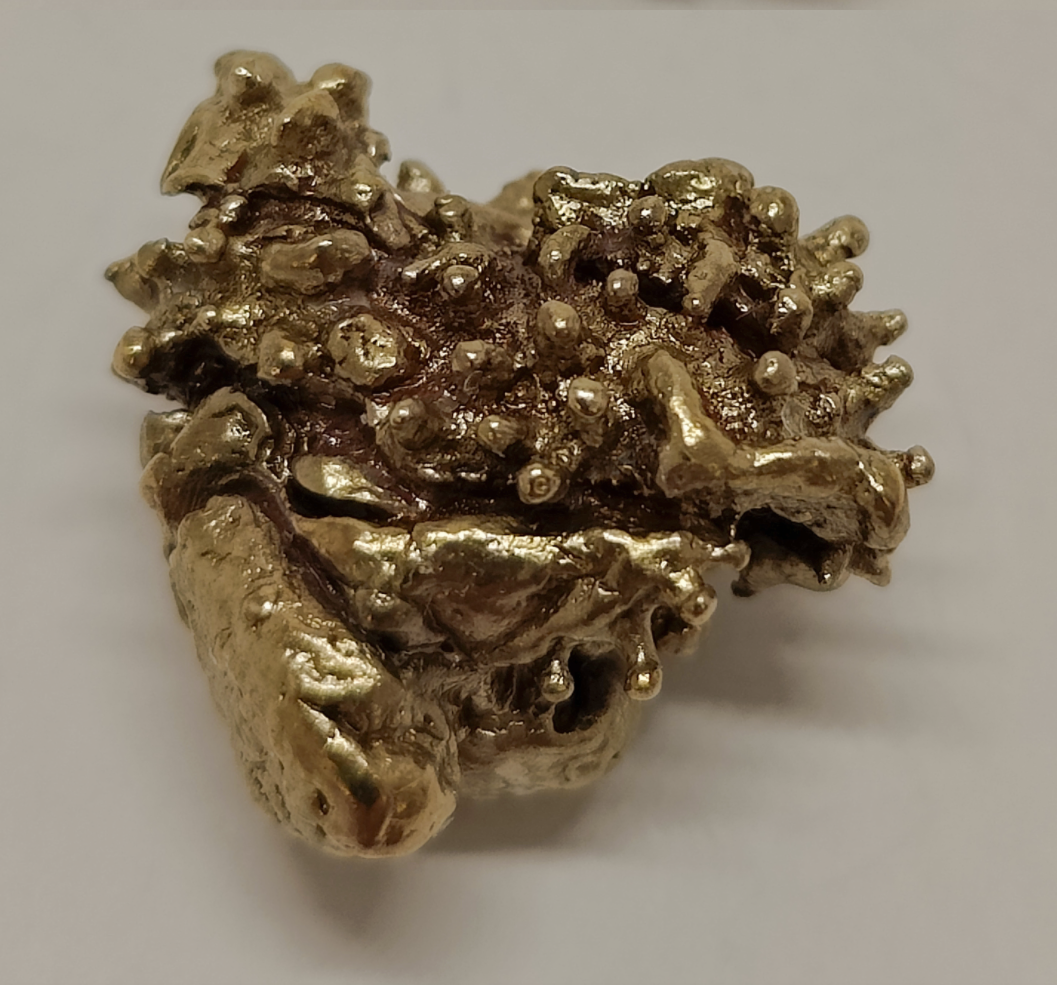
A swollen cluster where bodily growth hardens into something almost devotional. Its dense, reddened surface suggests inflammation pushed past function and staged as value, turning pathological build-up into an object of fixation, admiration, and spectacle.
Contagion: self-display as virtue
Effect: swelling ego mistaken for sincerity, courage, or worth
Growth Chamber
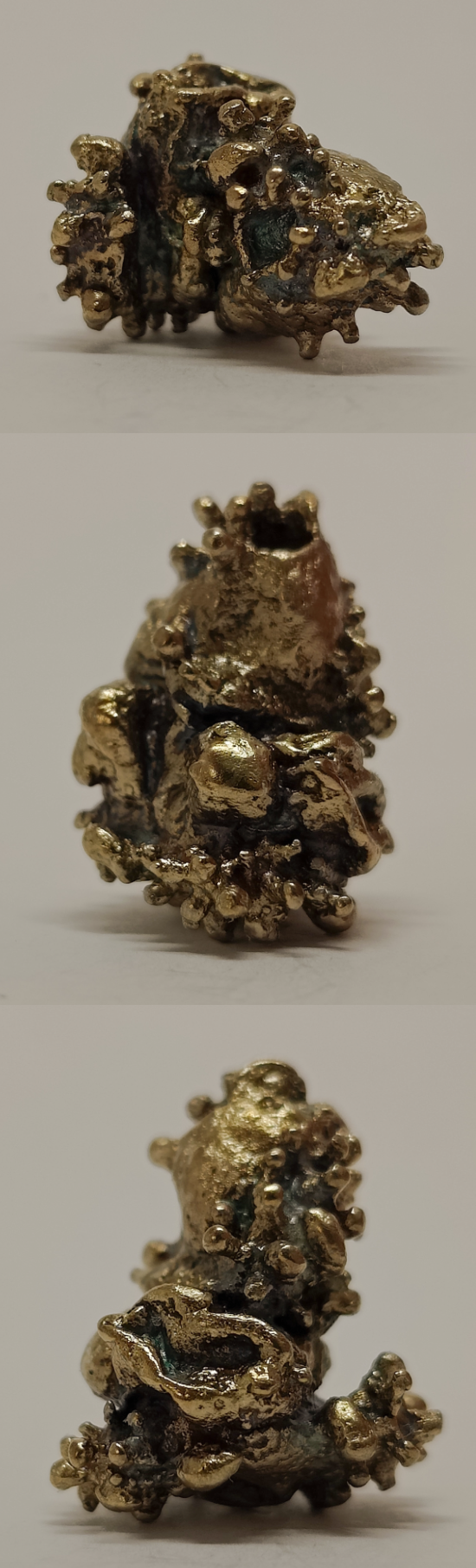
A dense, upright form that feels less made than incubated, as though mutation has been sealed inside it until the structure begins to split under pressure. Its cavities and compacted layers suggest a host body turned holding site for growth, residue, and controlled contamination.
Contagion: private rot before display
Effect: corruption incubated in secret, then debuted as identity
Fester Crown
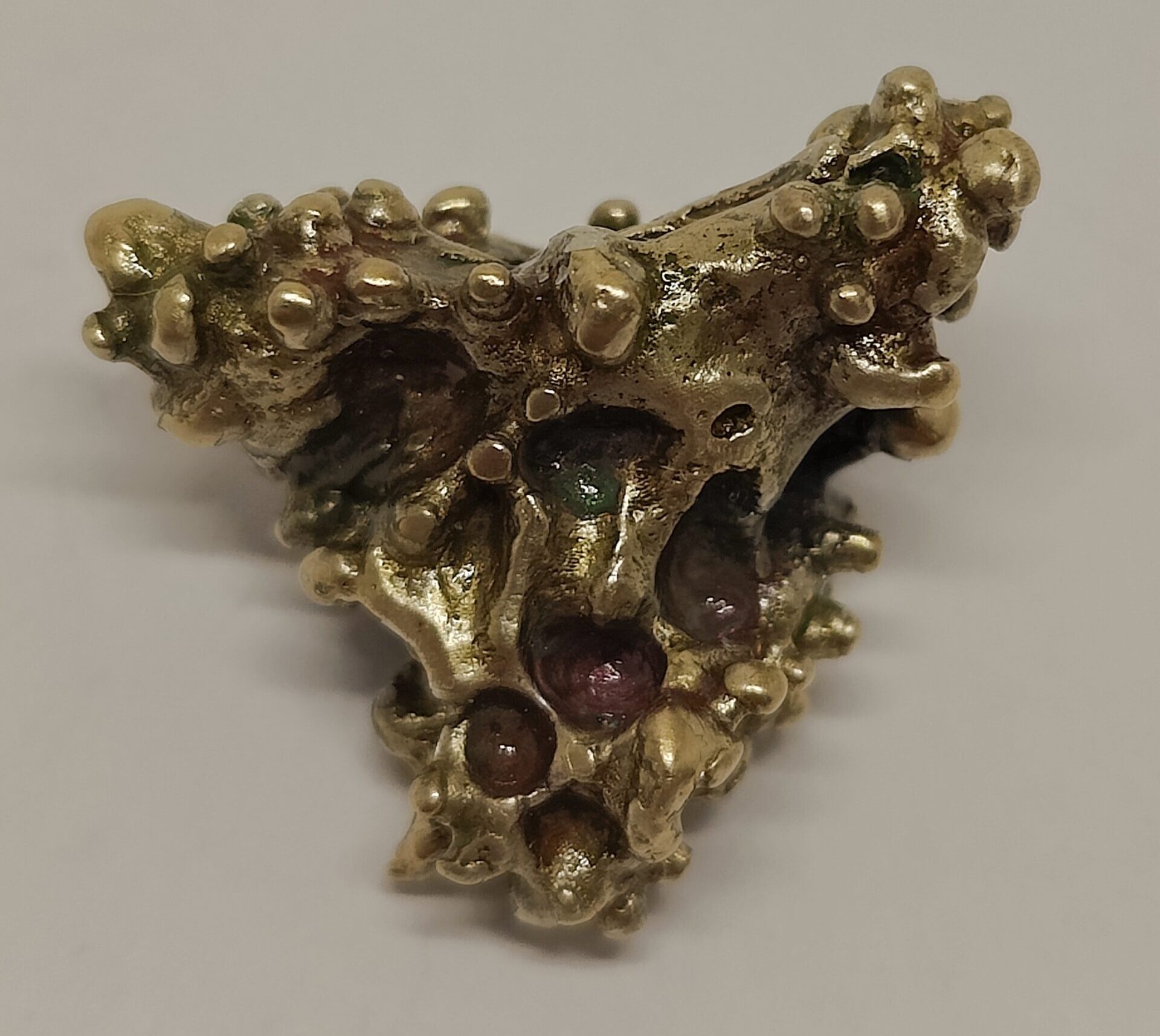
A triangular fragment crowned with bulb-like swellings that make it feel at once regal, diseased, and unstable. Its clustered nodes suggest pathological build-up taking on the posture of ornament, turning infection into display and rank into something swollen, theatrical, and corrupt.
Contagion: prestige through contamination
Effect: rank displayed through rot rather than merit
Mutant Skull Reliquary
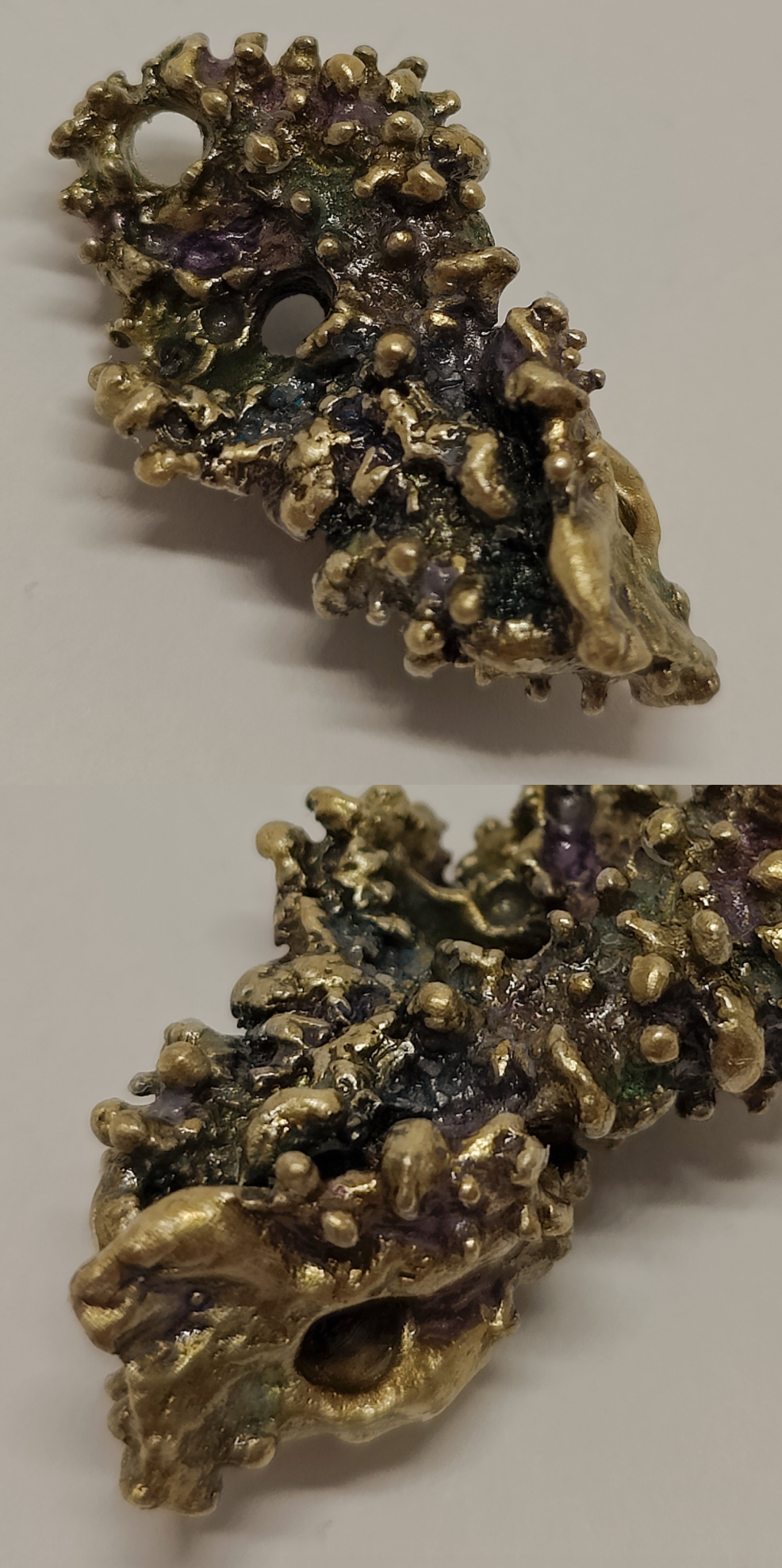
This piece carries the suggestion of a skull without settling into anatomy, as though bone, growth, and corrosion have fused mid-mutation. It behaves like a small relic of failed sanctity: bodily, hollowed, and encrusted with the remains of something that kept growing past recognition, until damage itself became worthy of reverence.
Contagion: worship of ruin
Effect: corruption treated as depth and damage made holy
Violet Blight
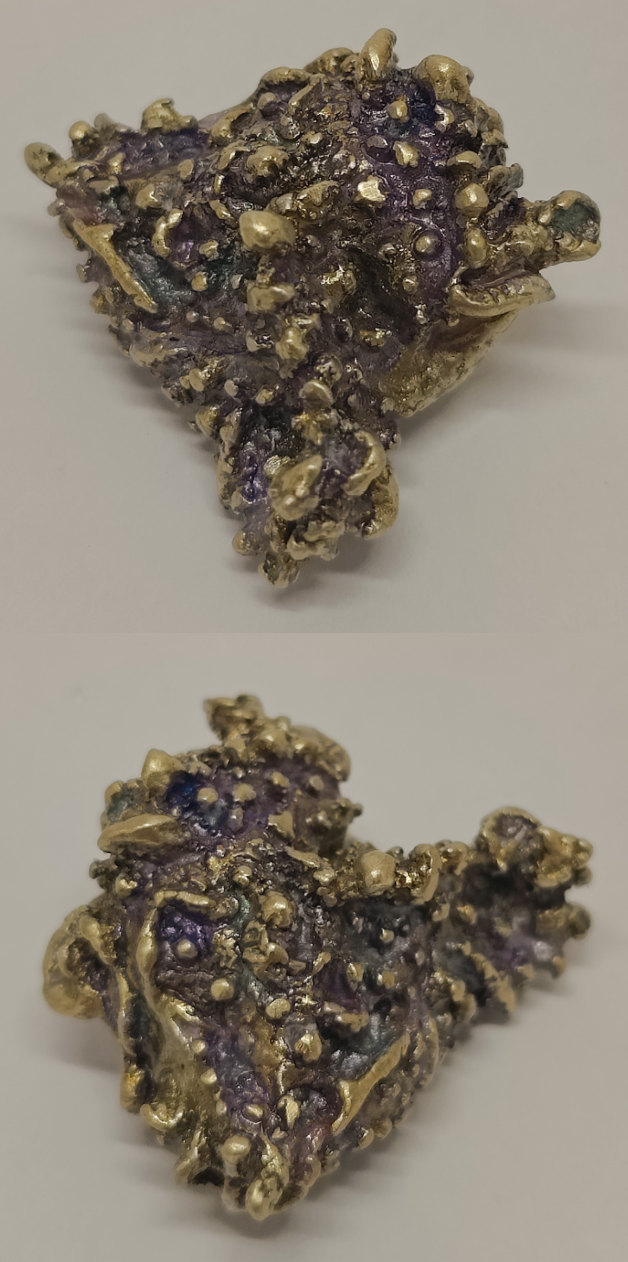
A bruised purple form whose surface feels scorched, fungal, and chemically altered all at once. It reads like blight in decorative form, where vivid colour does not soften the damage but intensifies its sense of contamination and spread.
Contagion: rot as distinction
Effect: contamination worn as a mark of individuality
Bone Knife
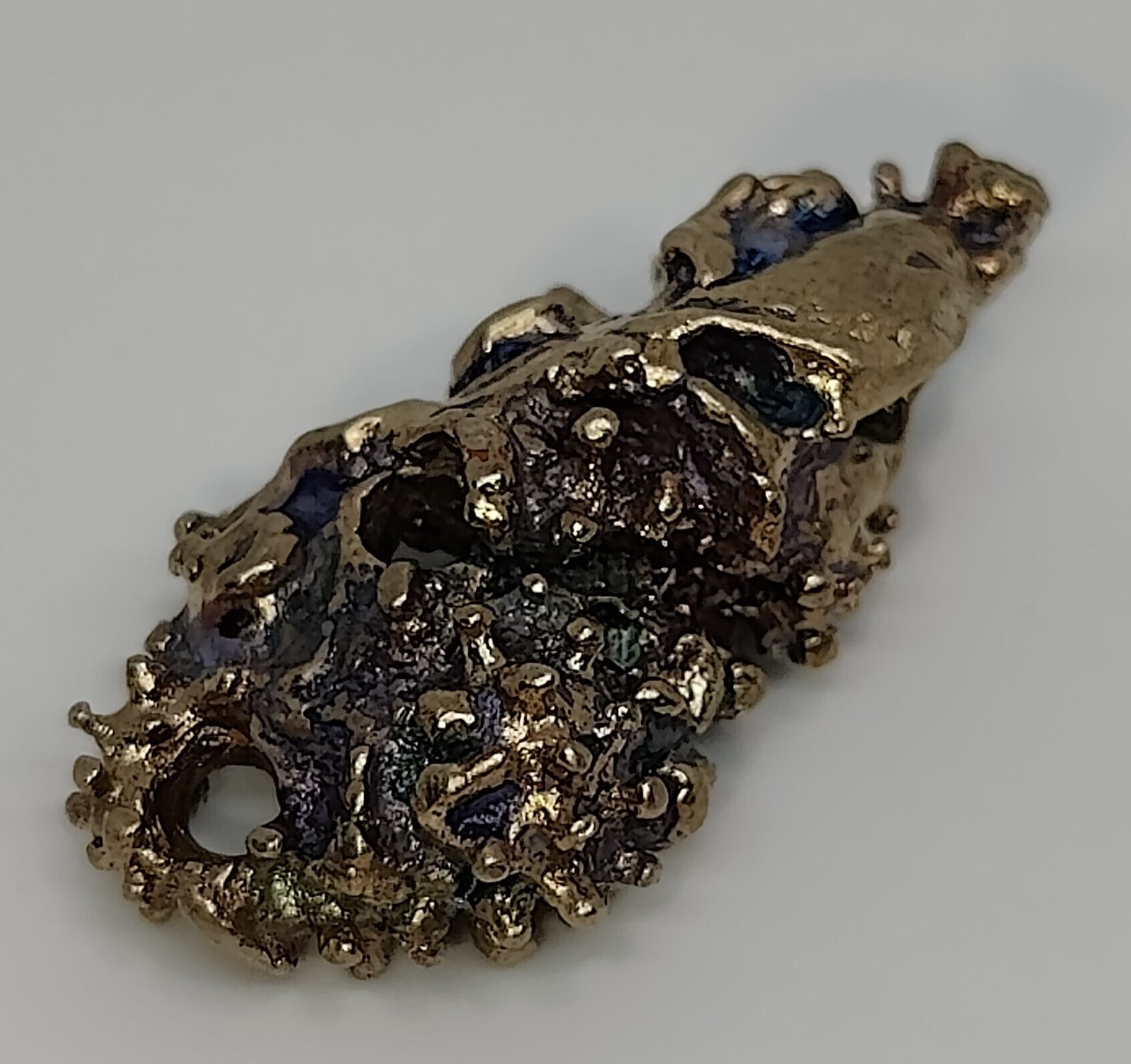
A pointed fragment that reads like bone reworked into a weapon by corrosion, pressure, and repeated growth. Its hollowed openings and encrusted surface suggest a structure sharpened by infection rather than use, as though pathology has honed the body into something made not only to cut, but to wound and circulate damage.
Contagion: weaponised hostility
Effect: cruelty sharpened into social currency
Carrion Spine
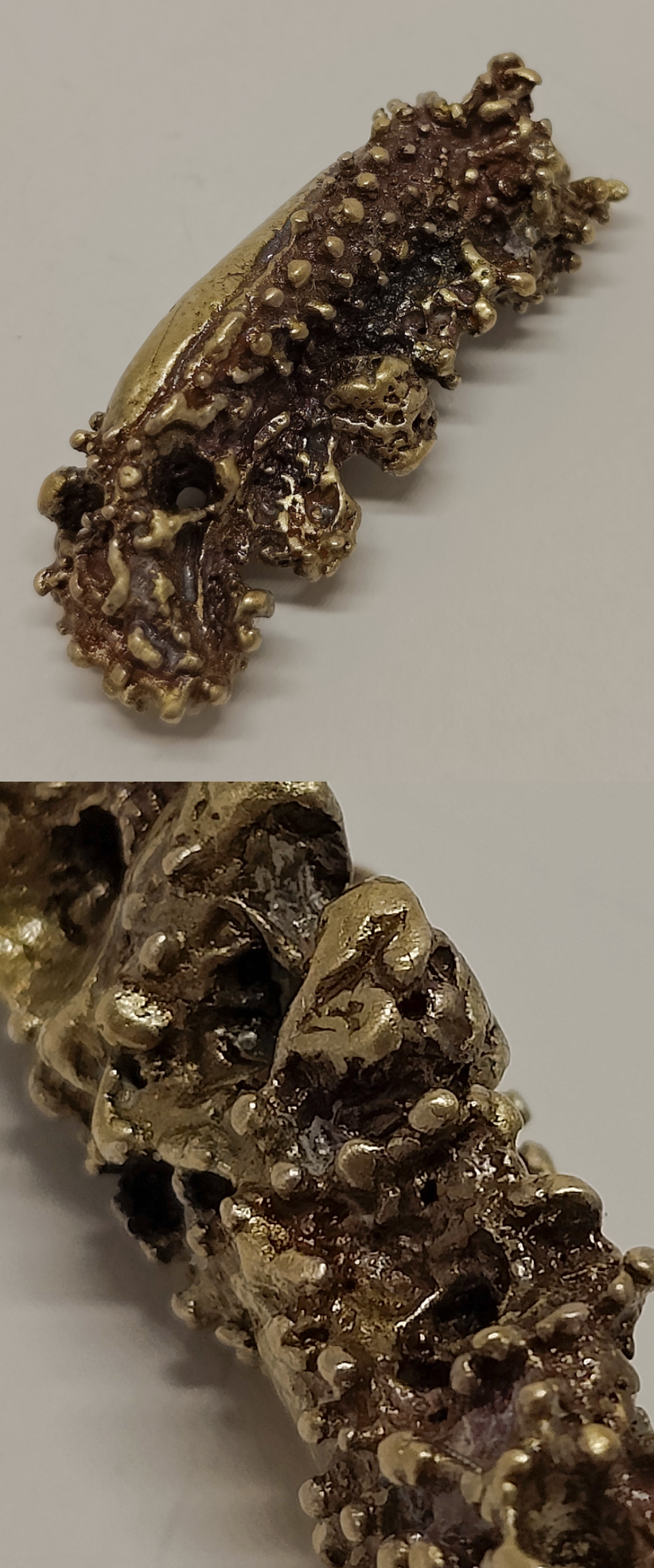
An elongated fragment that reads like bone stripped down to a hostile remainder. Its sharpened body and crusted surface suggest a spine, thorn, or antler overtaken by decay, where deterioration no longer weakens the structure but hardens it into something defensive, rigid, and aggressive.
Contagion: defensive brutality
Effect: damage calcified into aggression
Contagion Node
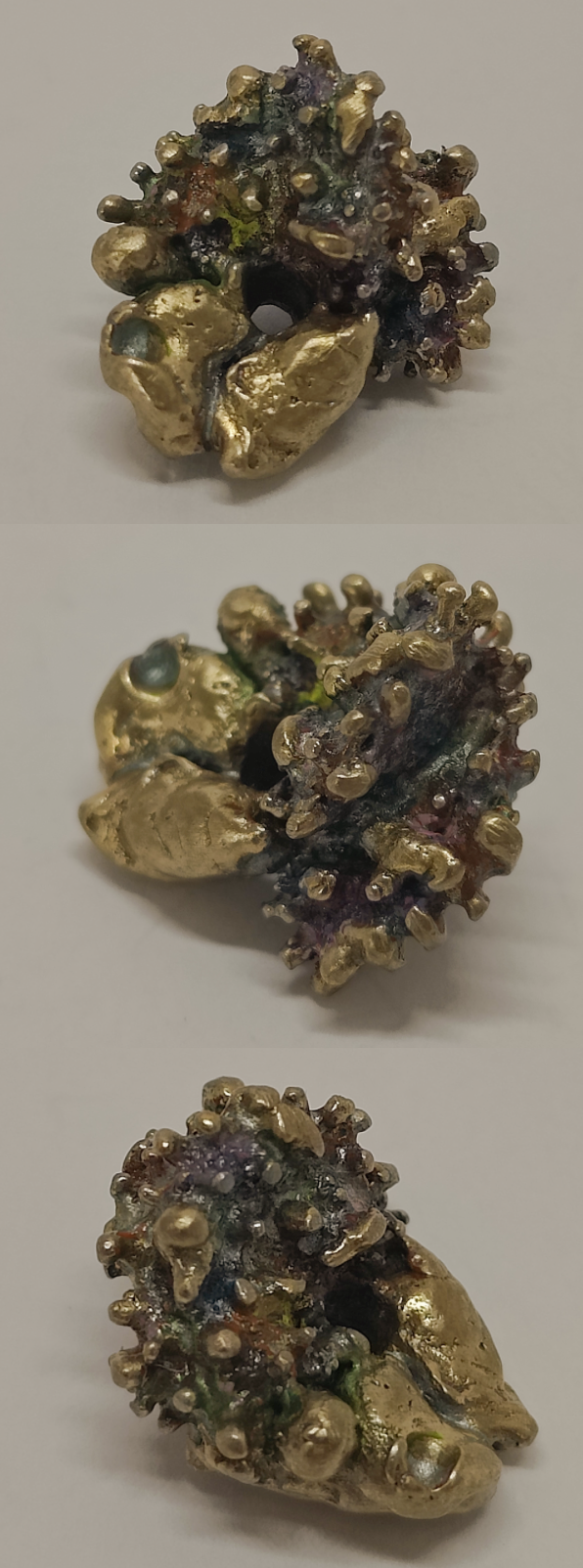
A compact, swelling form that reads less like an end point than a pressure point in a wider system of spread. Its bruised colour shifts, clustered surface, and dense core make it feel like a concentrated site of infection, a hardened node from which other lesions, blooms, and structural failures might branch outward.
Contagion: copycat degradation
Effect: one rotten centre seeding further failures
Tidal Rot
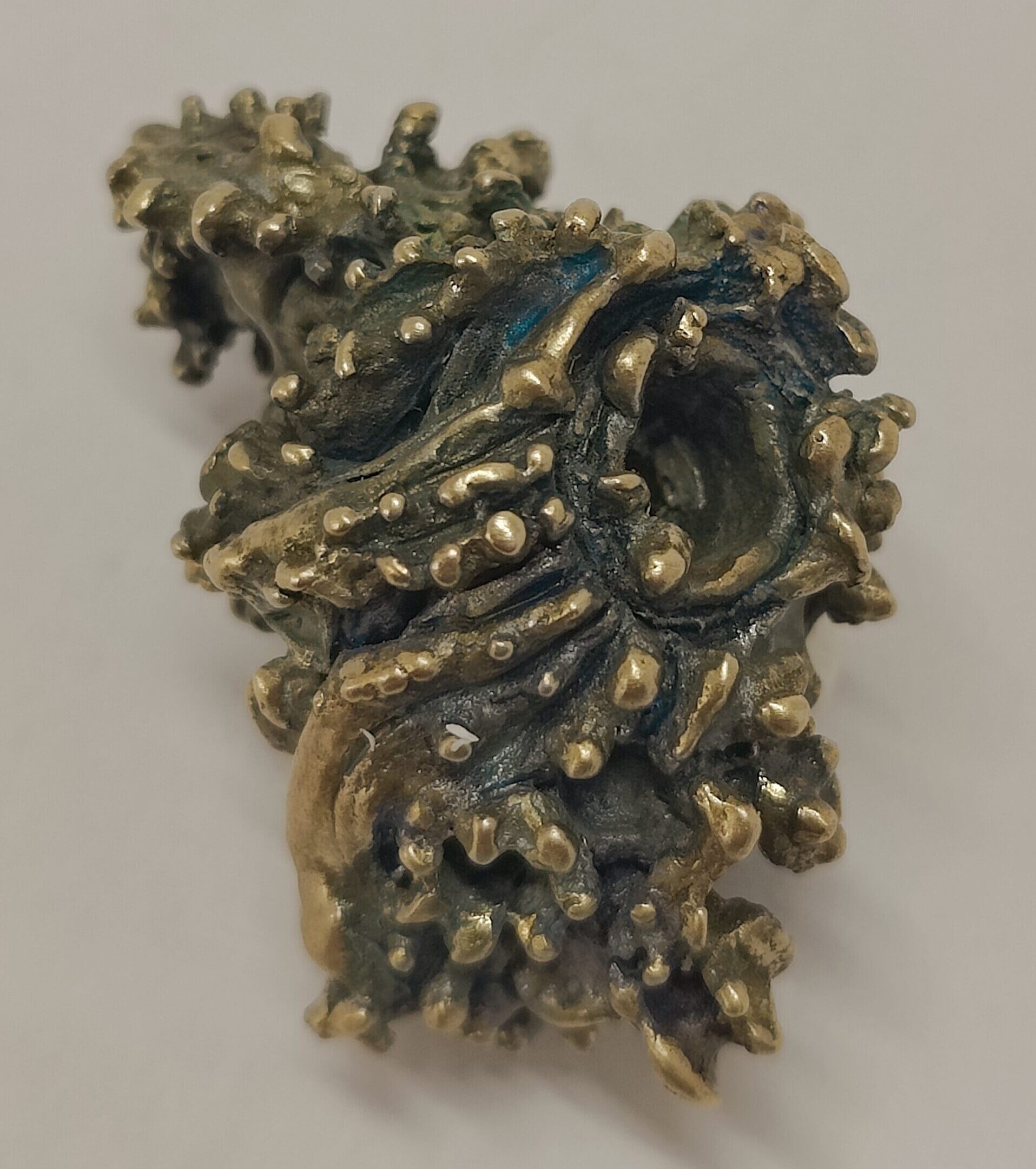
A blue-heavy form shaped like something eroded by current as much as by growth. Its folded surfaces and clustered protrusions suggest a body caught between marine residue, organ tissue, and corrosion, where decay does not strike once but returns in waves, wearing structure down through repetition.
Contagion: numbness by repetition
Effect: decline worn smooth until it passes for ordinary life
Cranial Cradle
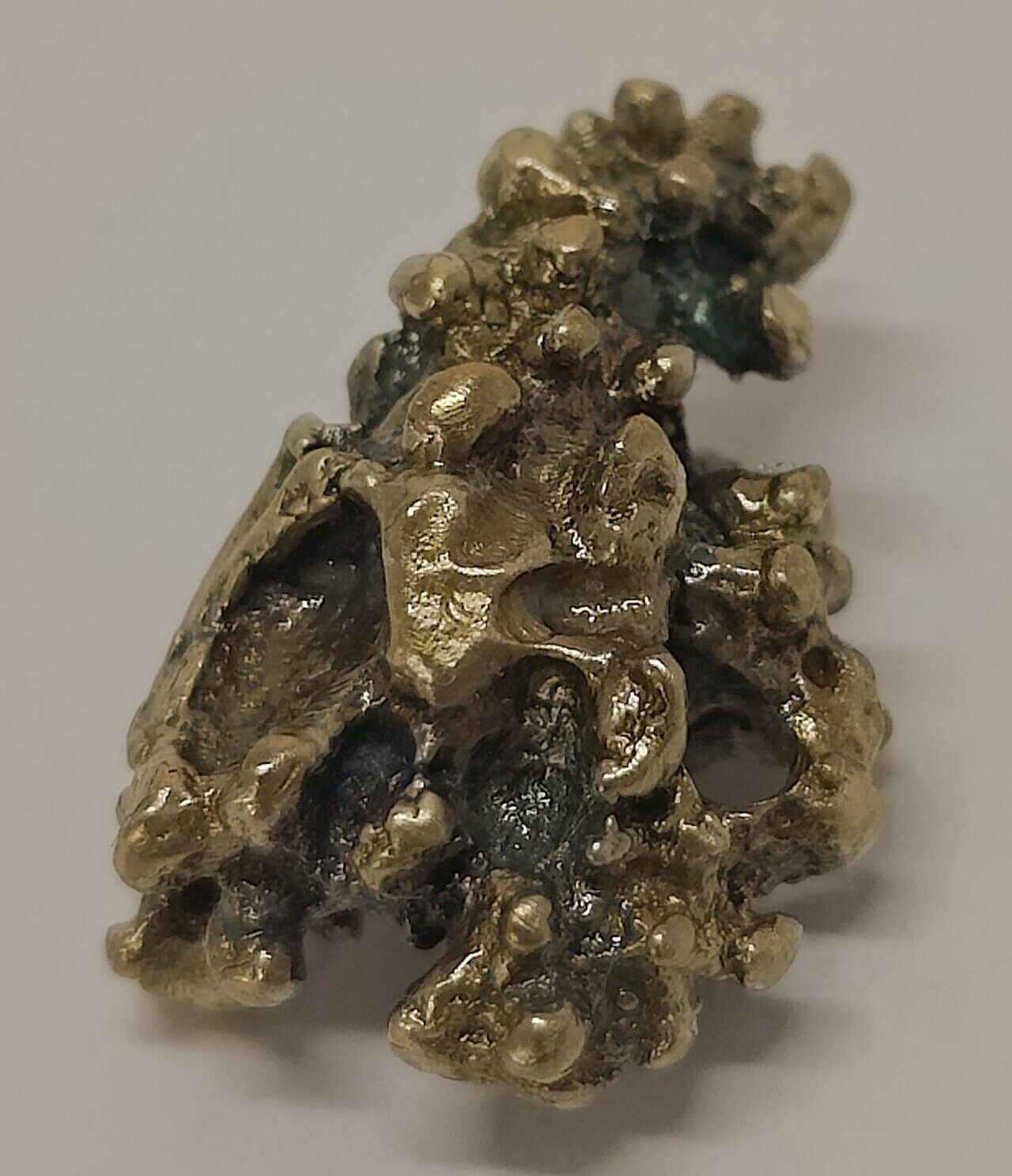
A hollowed form that suggests eye sockets, nasal cavity, and the trace of a small tooth, as though skull structure has been overtaken by invasive growth. It reads as both shelter and damage site, where bone becomes a holding space for mutation, residue, and the slow preparation of further spread.
Contagion: acclimatisation to harm
Effect: making harm feel like home
Bog Cyst
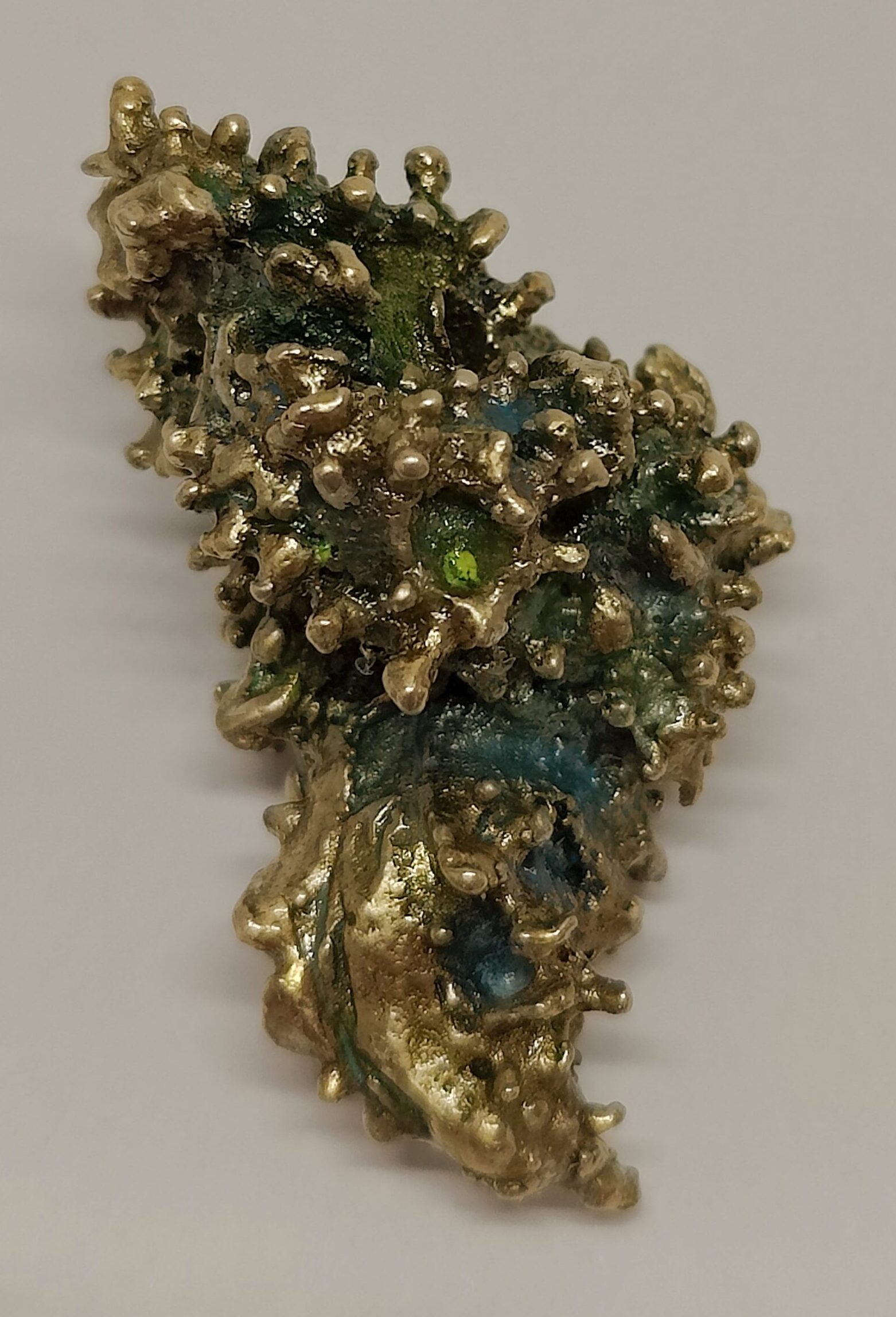
A jagged, swamp-like fragment whose clustered protrusions feel wet, hostile, and biologically overactive. It draws on marsh growth, bodily swelling, and pathological build-up, as though something half-submerged has thickened under stagnant conditions into a cystic knot of hidden contamination.
Contagion: neglect as policy
Effect: what gets buried thickens, festers, and returns uglier
Impact Clock
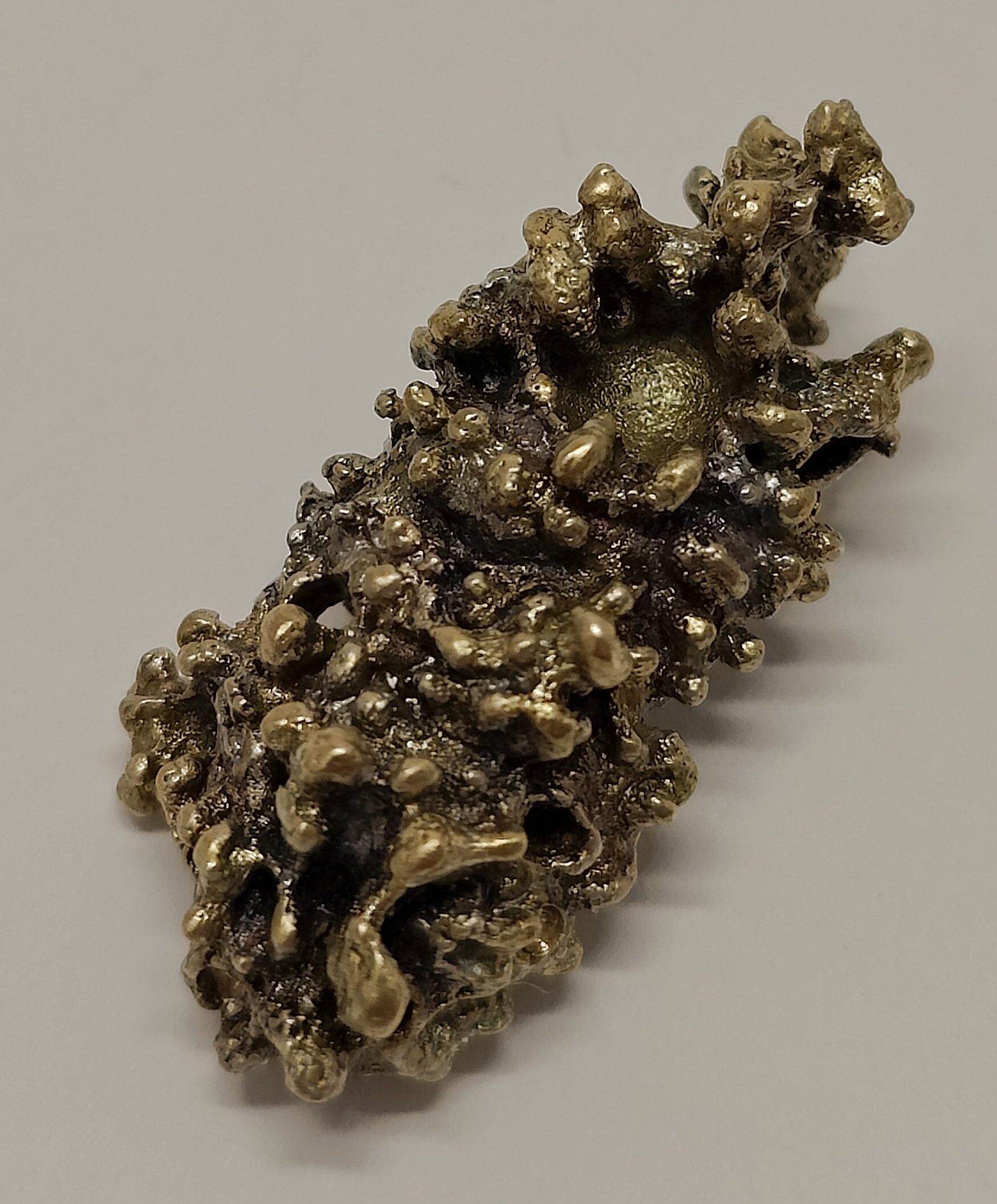
A tall fragment marked by a hollowed centre that reads like both clock face and crater, as though time and damage have struck the same point. It suggests a body or structure hit by force, then left to calcify around the wound, so that impact becomes not an event but a permanent measure of wear, consequence, and accumulated strain.
Contagion: pride in endurance
Effect: damage mistaken for strength, maturity, or proof of worth
Split Reliquary
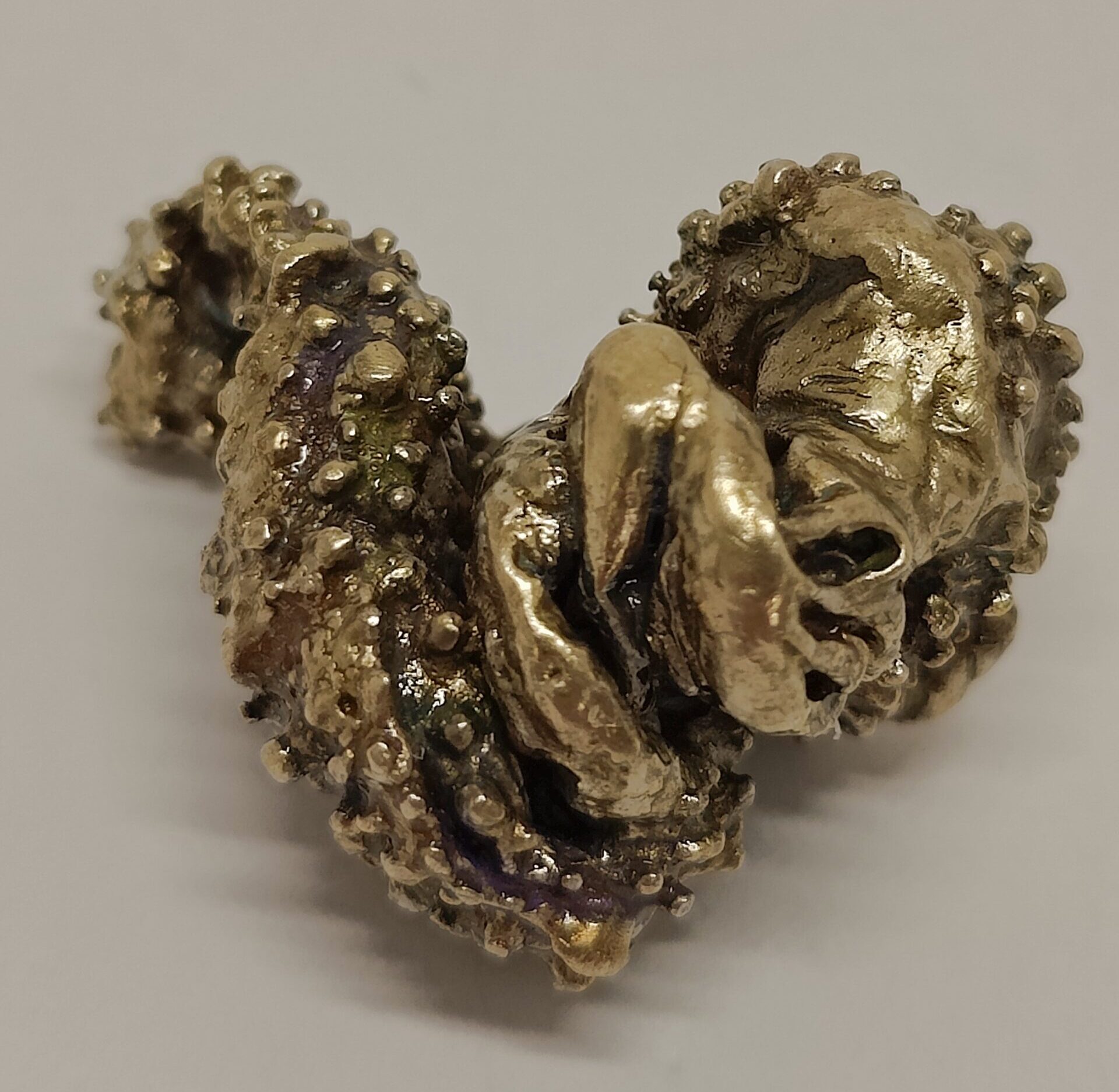
A curved, divided form whose folded interior makes it feel like something once sealed now forced open. It behaves like a broken container for residue, remains, or belief, where sanctity has split under pressure and given way to exposure, leakage, and internal collapse.
Contagion: sanctimony as cover
Effect: what claims to preserve meaning splits open and leaks
Parasite Totem
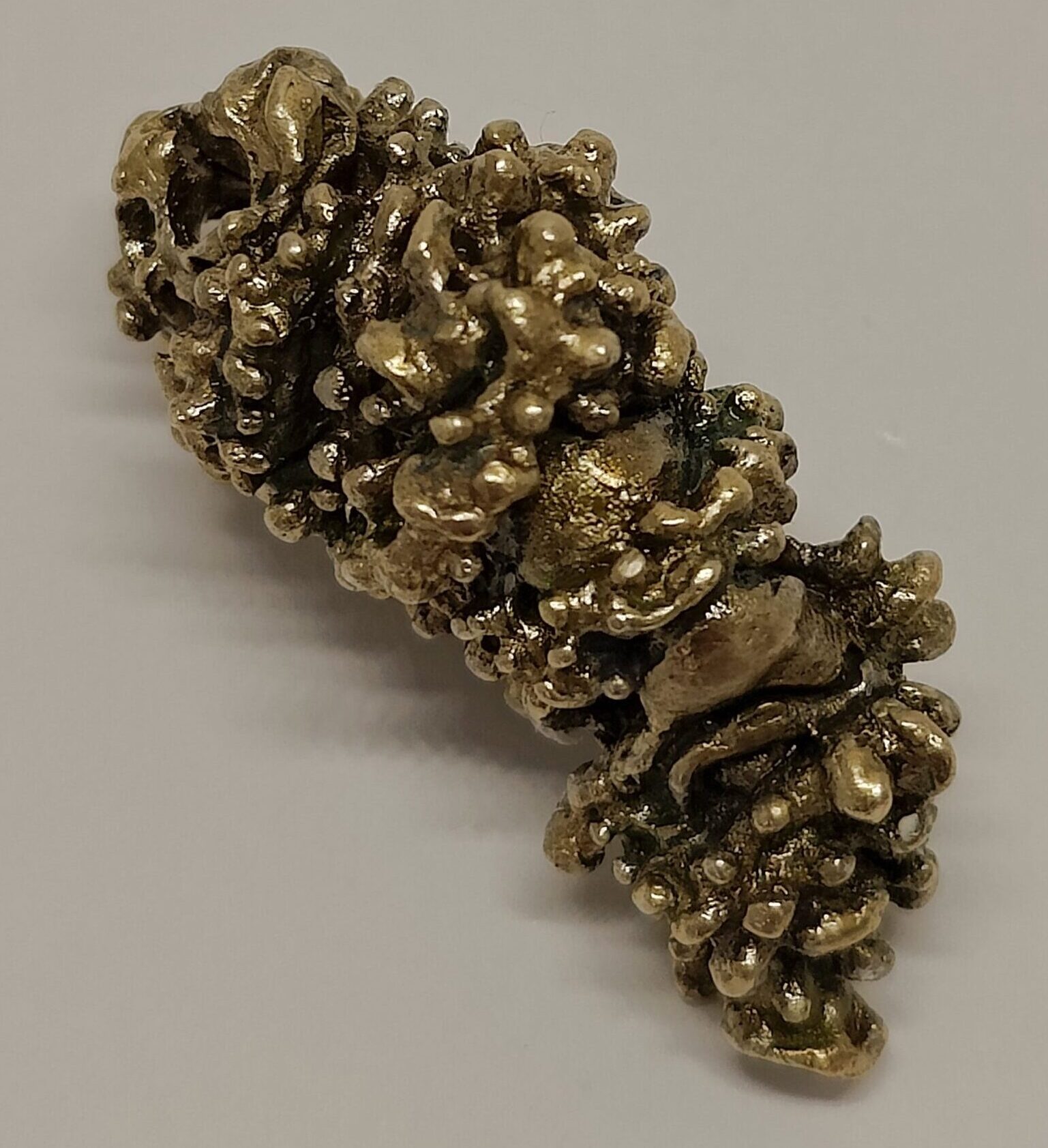
A vertical build-up of clustered growths that feels part host structure, part marker, part devotional object. It suggests a body or belief system overtaken layer by layer, until parasitic accumulation hardens into a monument to dependency, repetition, and invasive attachment.
Contagion: obedience for acceptance
Effect: belonging bought by surrendering judgement
Outbreak Bloom
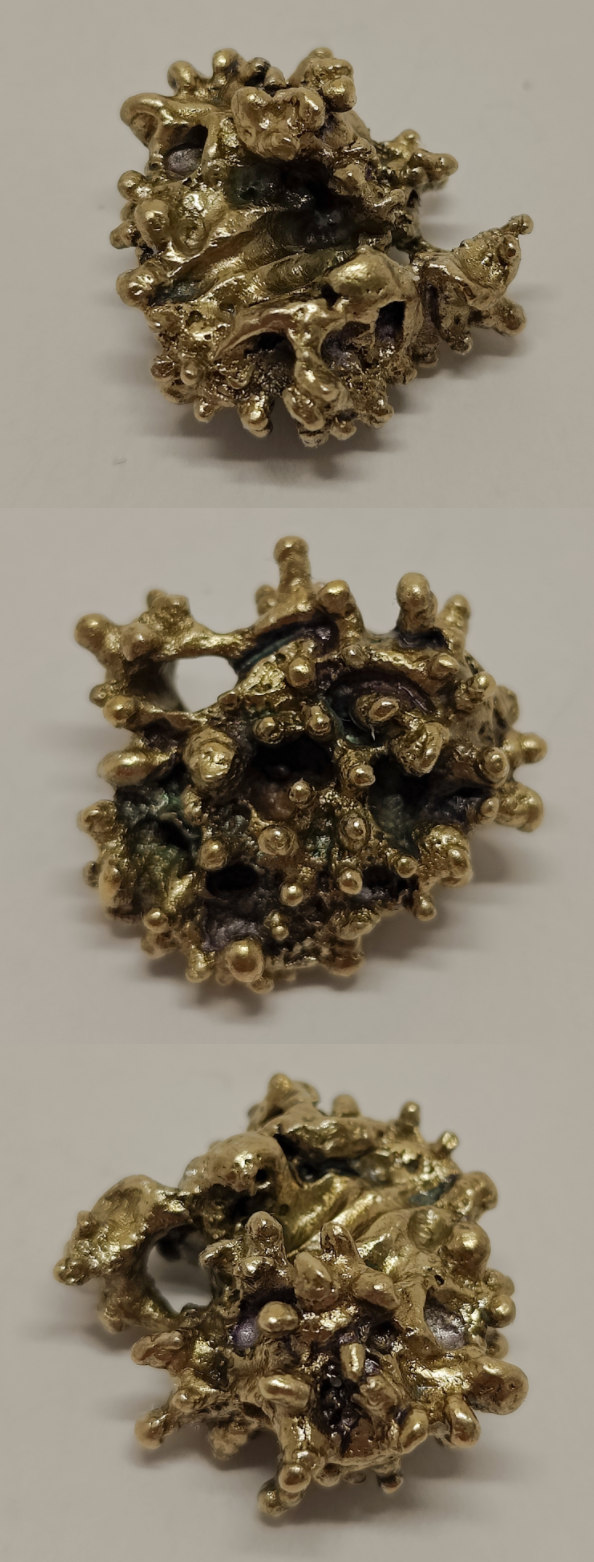
A clustered form in which cavity, crust, and growth all compete for space, making it feel less like a finished object than a mutation caught mid-proliferation. It draws on spores, pathological bloom, and social contagion, where exposure does not clarify or contain the damage but multiplies it, feeding spread through attention, circulation, and mimicry.
Contagion: virality as validation
Effect: spread mistaken for legitimacy
Celestial Rot
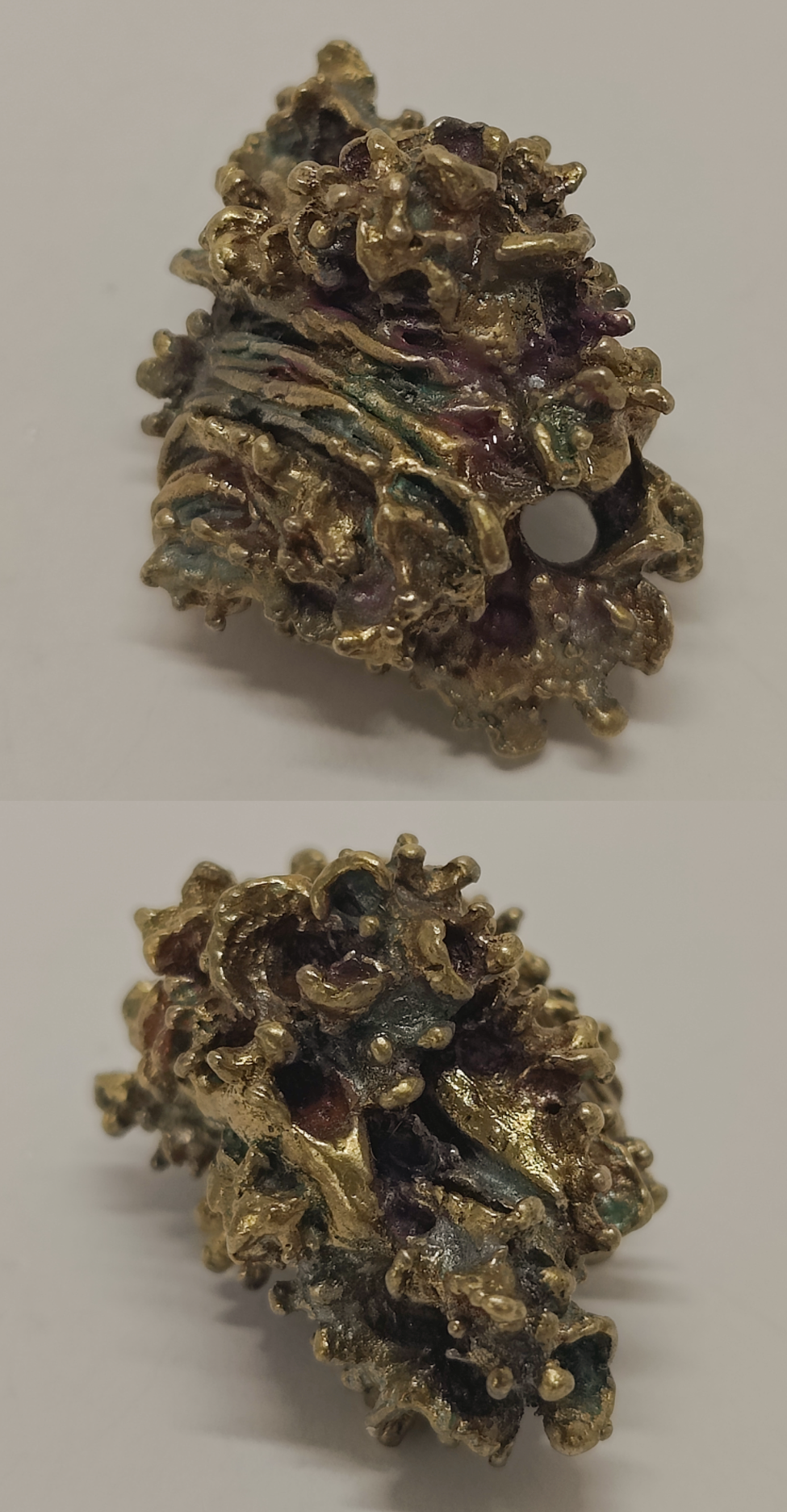
A ruptured form where bruised lilacs, sickly greens, and mineral blues turn pathology into atmosphere. Its cavities and encrusted surface make it feel like a wound gone radiant, as though contagion has taken on the colour logic of nebulae, mould, and spoiled flesh until damage begins to masquerade as wonder.
Contagion: spectacle mistaken for meaning
Effect: luminous surfaces blinding people to the rot beneath
Rot Channel
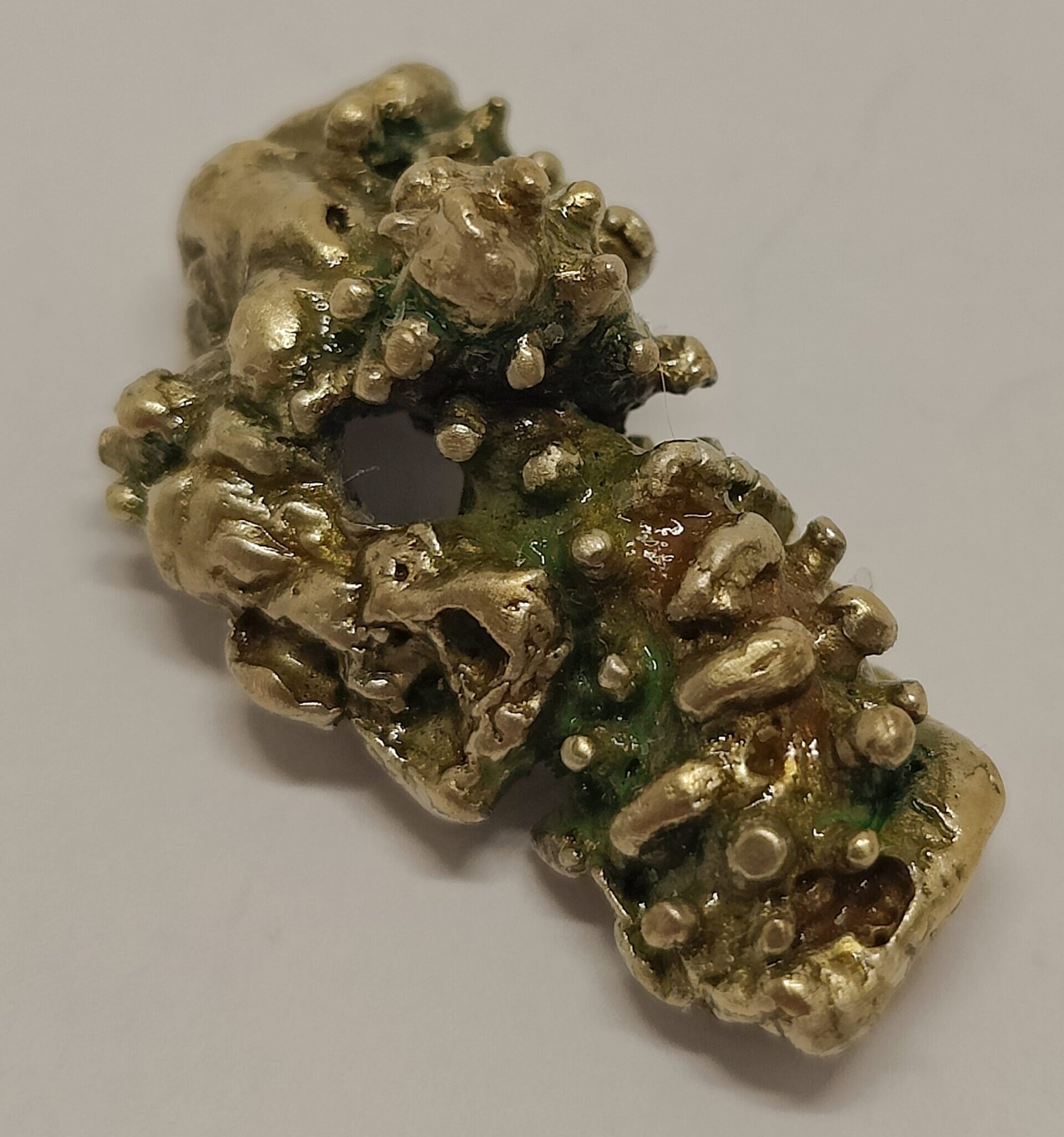
A longer, more open form marked by a central void that makes it feel like a passage carved through by repeated contamination. It suggests a route of transmission, where structure has been eaten into and repurposed as a channel for spread, turning damage into infrastructure.
Contagion: collaboration with your own ruin
Effect: the system is opened up so damage can move through without resistance
Pathogen Maze
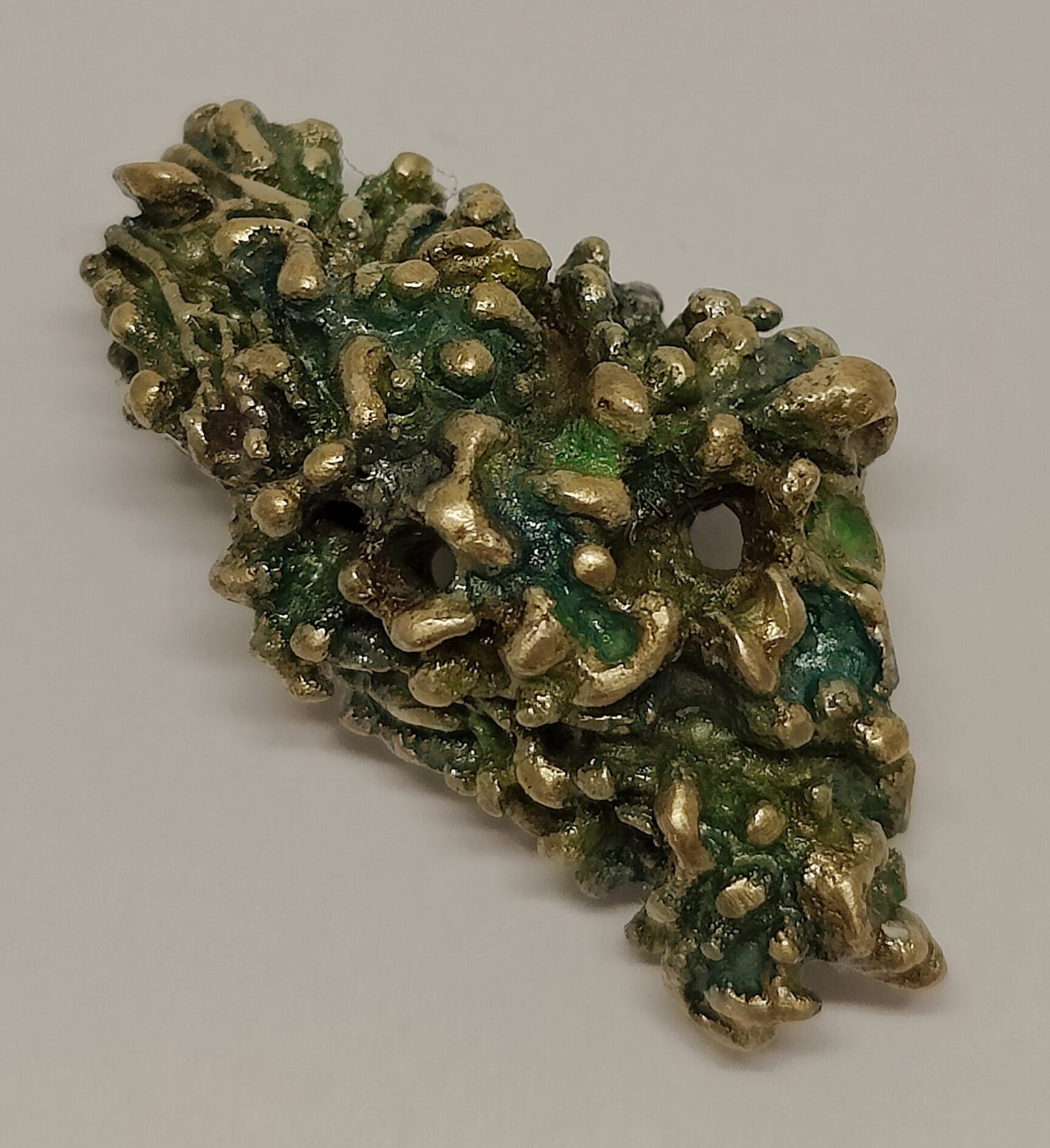
A compact form built around branching channels and blocked passages, where every turn suggests another route for spread. It reads like infection given structure, a maze of growth and obstruction in which disease does not simply travel but reorganises the space around it, making entrapment part of the design.
Contagion: manufactured dependency
Effect: every exit rerouted back into the disease
Parasitic Antler
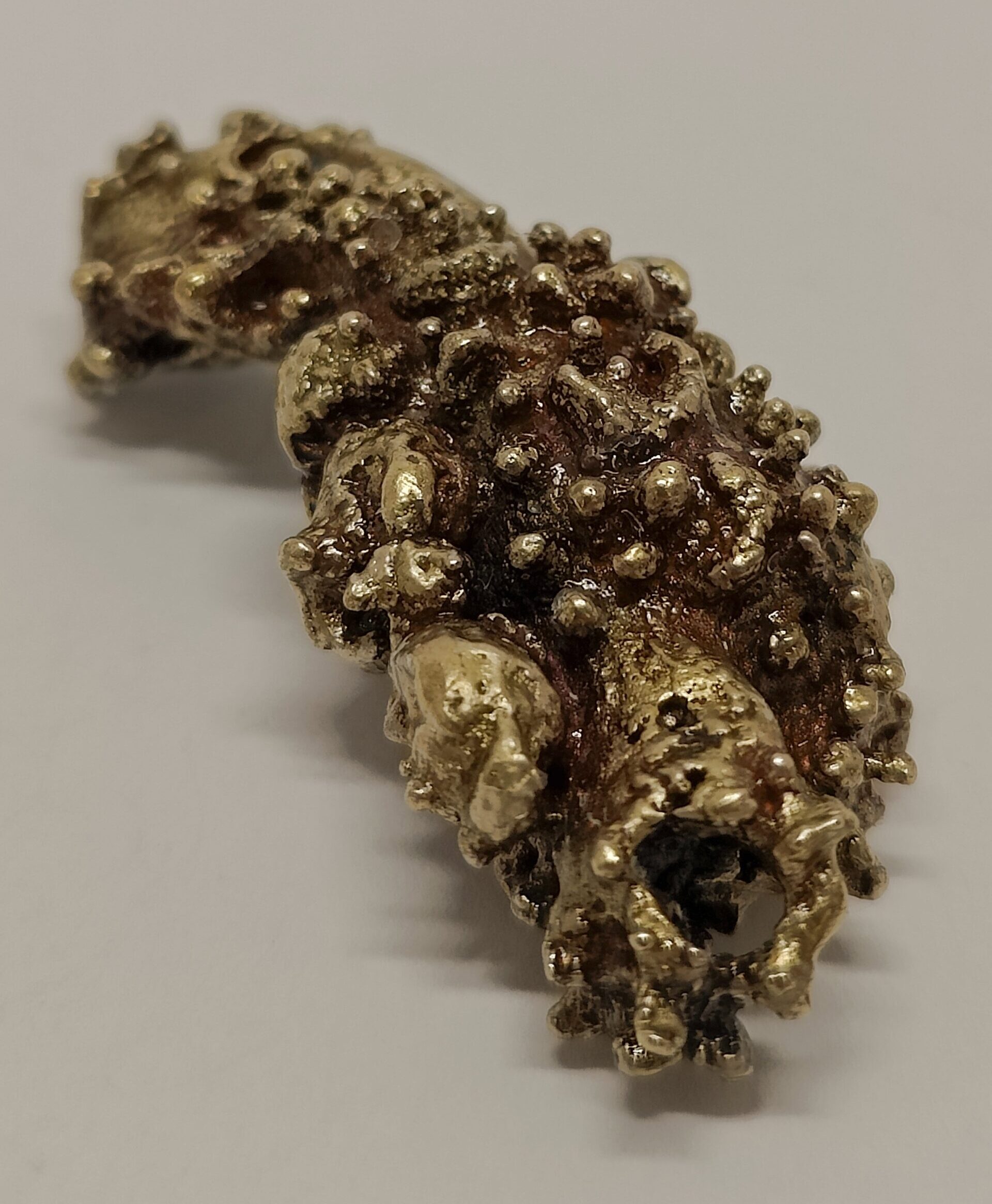
An elongated form that reads like bone overtaken by invasive growth, somewhere between antler, lesion, and host fragment. Its stretched body and crusted surface suggest a structure once built for strength or display, now claimed by contagion and remade as a carrier of decorative decay.
Contagion: status built on rot
Effect: prestige propped up by what should have disqualified it
Bog Bloom
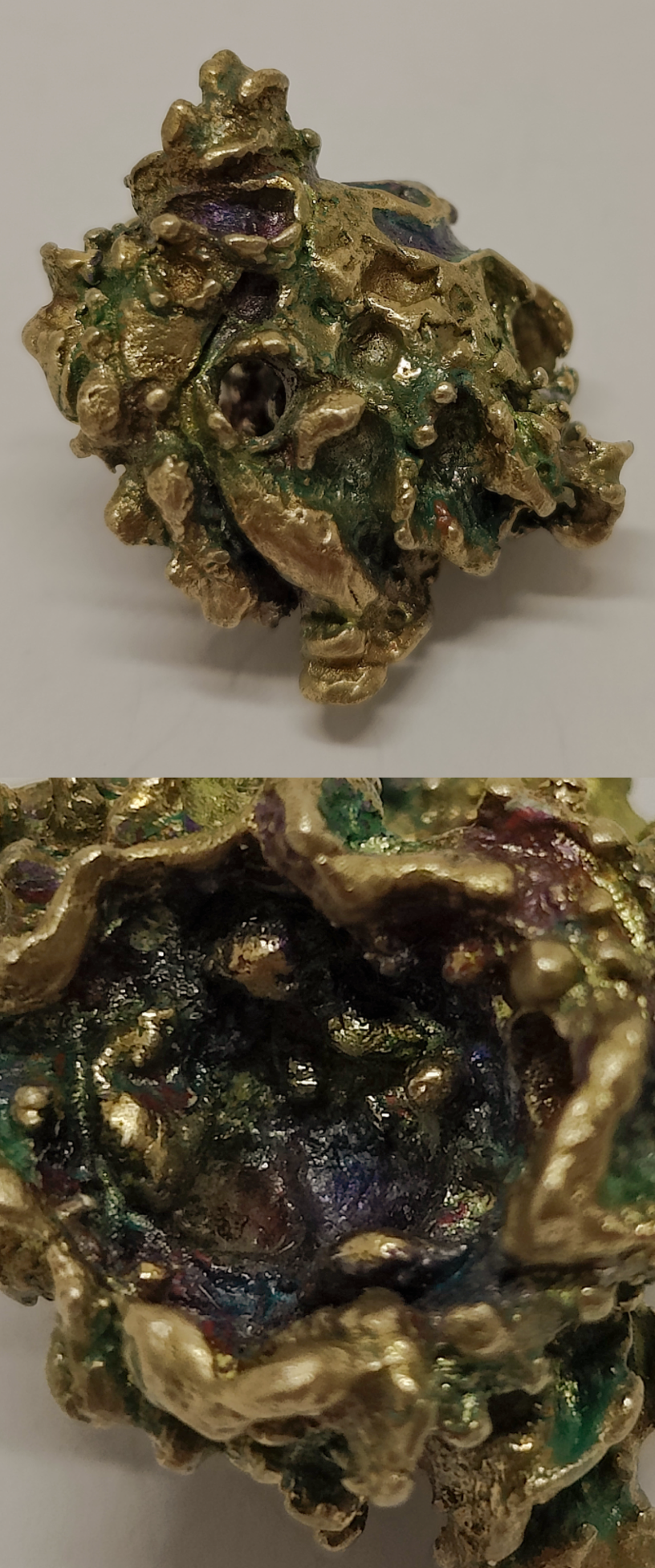
A swamp-like growth caught between biological overrun, mineral accretion, and ceremonial display. Its cavity structure and bruised, iridescent interior make it feel part wetland formation, part infected offering, as though excess has thickened into something half-sacred and half-festering.
Contagion: corruption sold as beauty
Effect: contamination made attractive enough to invite touch
Mire Relic
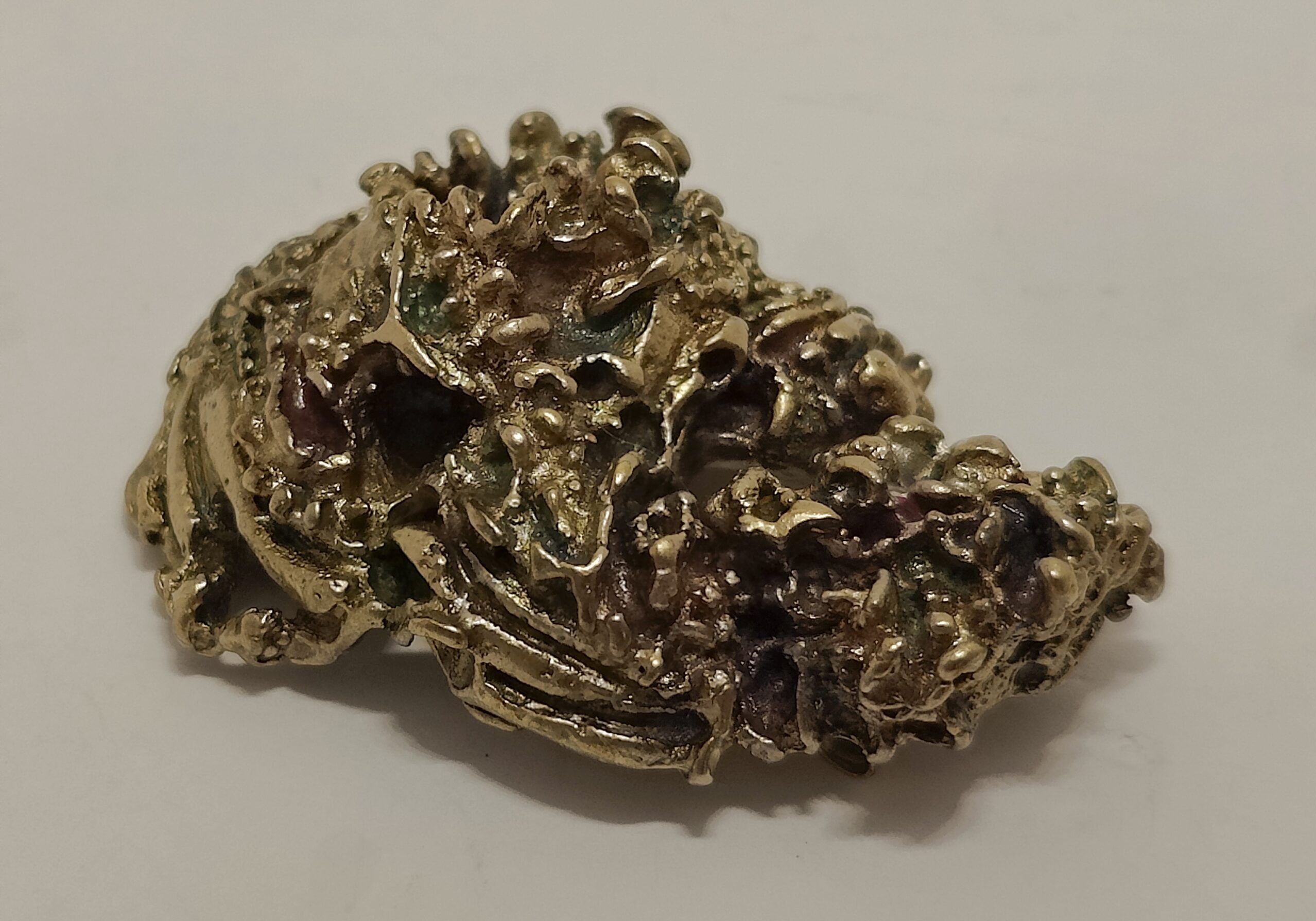
A lower, heavier form that feels dredged up rather than grown in open air. Its compacted crust and sedimented surface suggest marsh residue, biological excess, and something half-buried that has not been preserved so much as left to thicken, fester, and survive as a contaminated relic.
Contagion: resignation to squalor
Effect: people stop clearing the rot and start arranging themselves around it
Spectacle Lesion
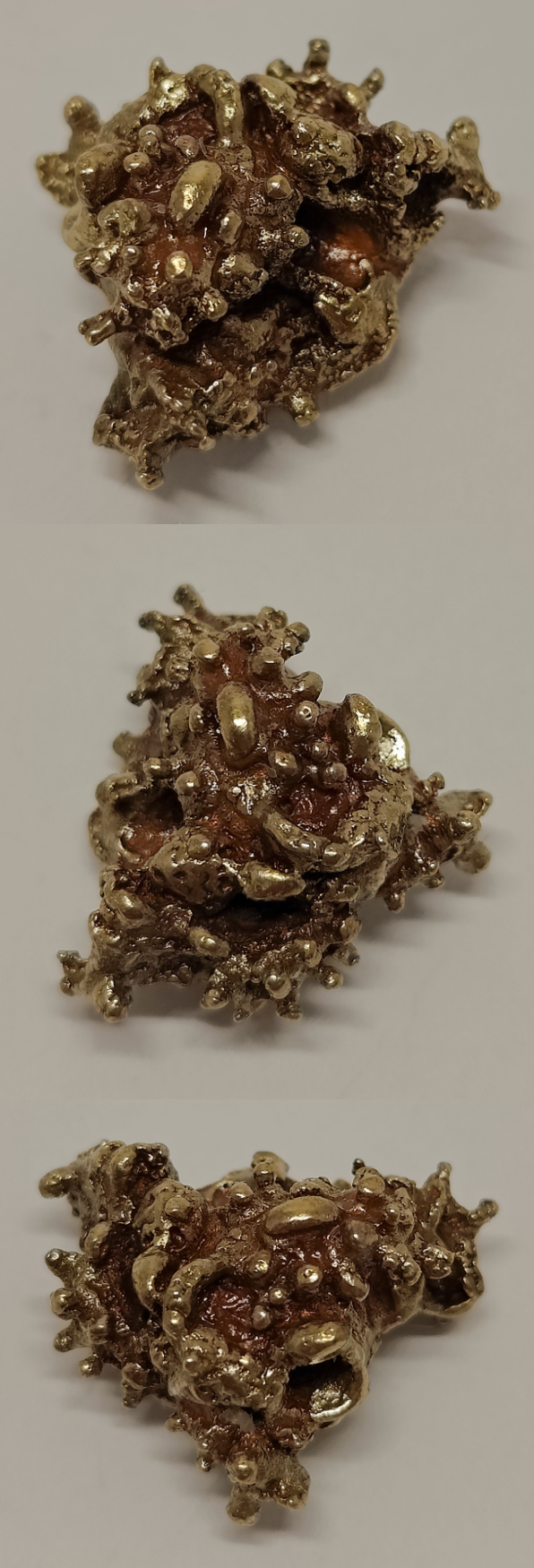
A swollen, heart-like form where rupture, crust, and pathological build-up begin to harden into display. Drawing on organ matter, disease, and ornamental excess, it turns bodily damage into something staged, consumable, and publicly legible, as though injury has been reworked into an aesthetic surface.
Contagion: performative suffering
Effect: injury staged until pain becomes content