3–4 minutes
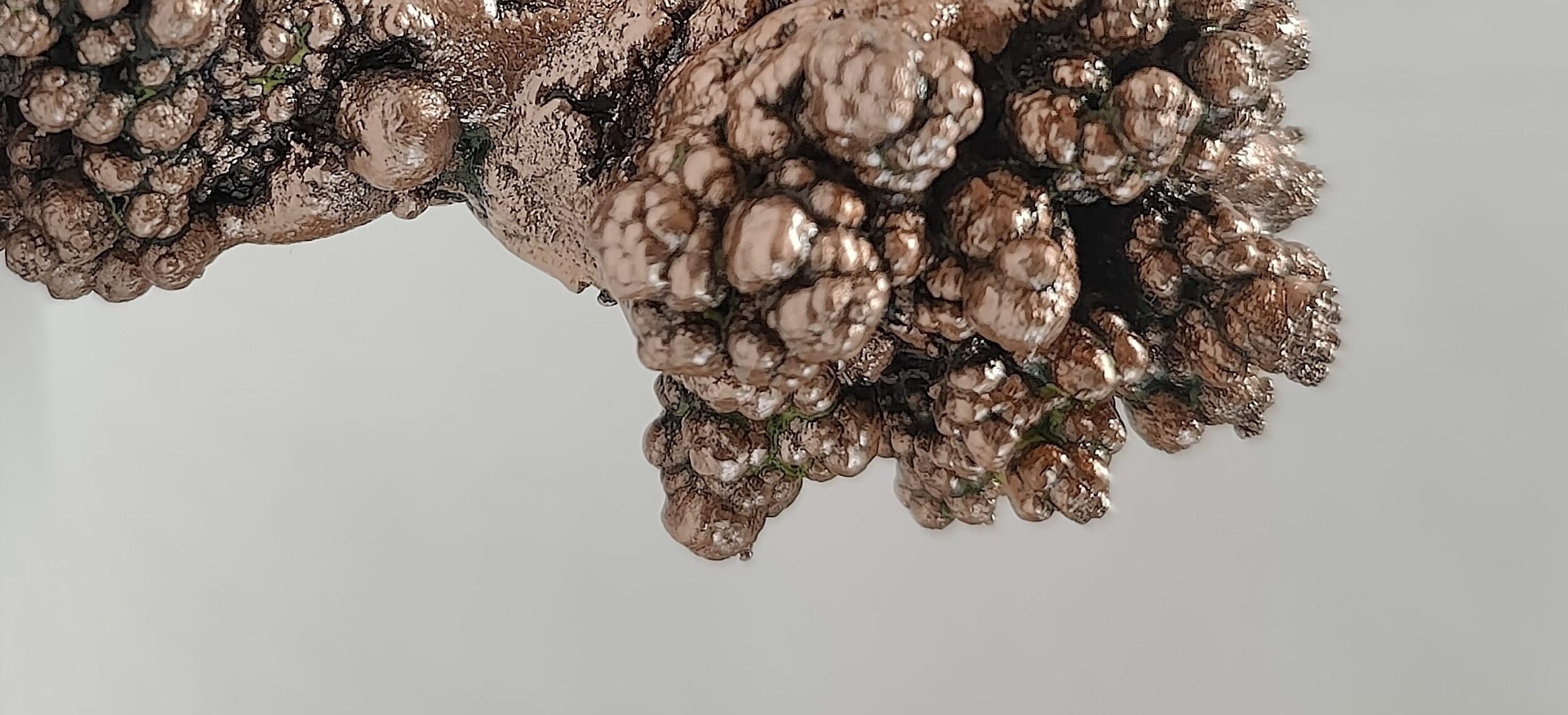
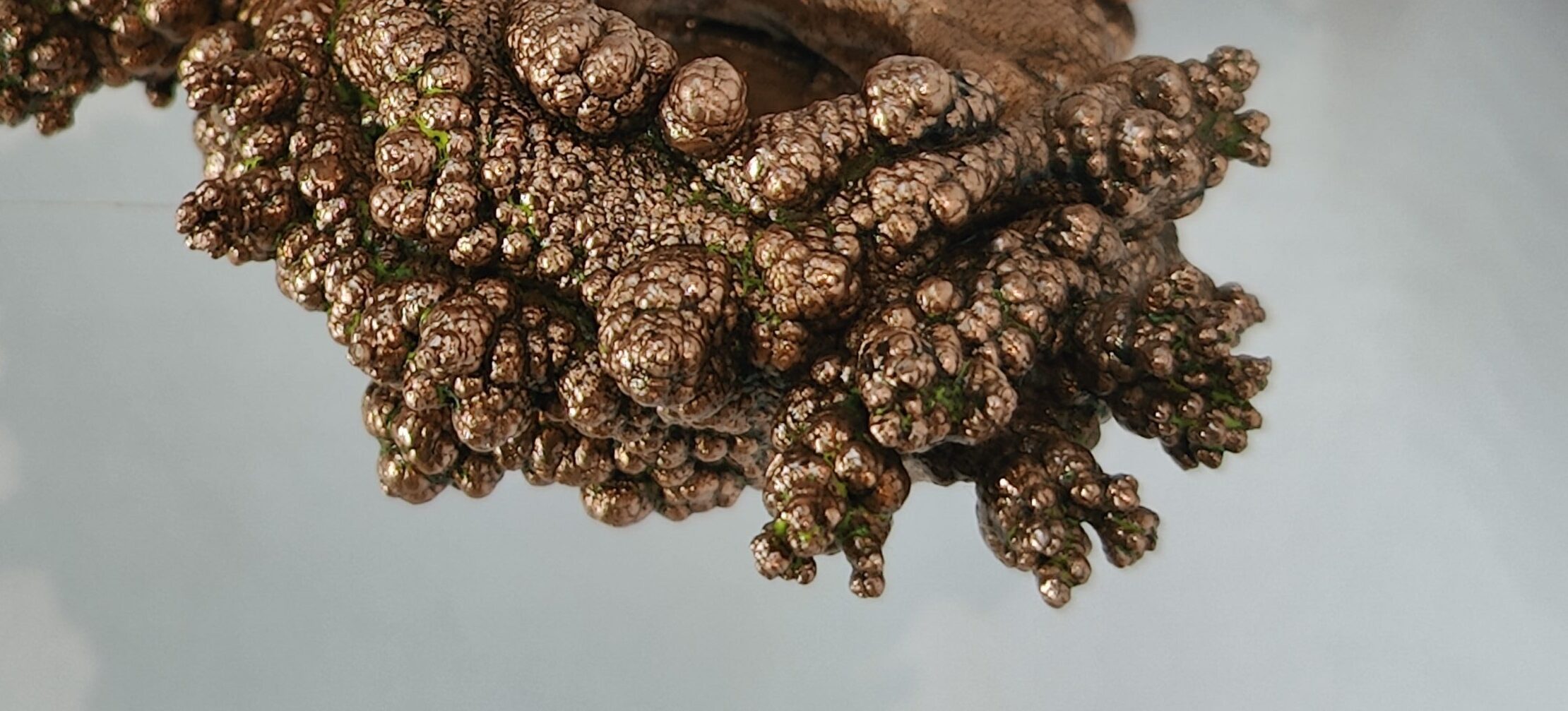
The reading behind Undulating Husk.
We used to say nothing, or at least very little. The ring or the hair brooch announced the event, and everyone who saw understood and adjusted. Then dying moved into hospitals and became a technical event, mourning got reclassified as private and faintly indecent, and the objects got binned with the rituals. What replaced them was language, easy to regurgitate, low effort language: passed on, better place, sorry for your loss, a good life…
Every one of those words tosses the work back to the person carrying it. They are an easy out, an easy ‘I did my part’, ‘I said a few words’, and then the quiet wait for the rest of the script: thank you, aren’t you so kind, please clap my compassion blah blah.
So I like to fuck with that a little and ask ‘why did you murder them?’ The genuine ones giggle, or make a joke back like ‘how did you find out’, you know, a natural response. The fake ones um and ah, say mmm. They have nothing, because they are not scripted for it, and you are not thanking them for it.
Anyways, I didn’t want to create something that just uses words so I went back in time a little and found a vessel that never asked anybody to find words, or to thank them for it.
Research Underpinning
Sungir burials, 28,000–32,000 years ago:
4,903 mammoth ivory beads on the boy, 5,274 on the girl; experimental archaeology puts a single bead at ~45 minutes, so ~10,000 hours across the site. All of it went into the ground where nobody was going to see it again. The labour is the point rather than the display, and that is the argument the overview now opens on.
Qafzeh, ~100,000 years old:
71 pieces of red ochre placed with the bodies. Not used on the page. One example with a labour figure behind it does more than two without.
Victorian hair jewellery:
hair chosen because it outlasts the body; worked like lace, woven into hollow tubes, stiffened with lacquer; Queen Victoria wore Albert’s hair after 1861. The same decision Sungir made with ivory, thirty thousand years apart. The material always gets picked for what survives, which is why these are copper over a core that would have come to nothing on its own.
Mary-Frances O’Connor:
attachment encoded as a standing arrangement (“I will always be there for you and you will always be there for me”); the encoding is not deleted at death, so the brain’s default response to absence is retrieval. Everyday habits are encoded too, e.g. still buying groceries for someone who has died. This is why they are held rather than worn. The reach is already happening and the object is shaped to meet it.
Bereavement physiology:
NK cell activity suppressed up to 6 months; reduced antibody response to flu vaccination 1 year post-loss; IL-6 and TNF-α elevated ~3 months after spousal death; higher cortisol, flatter diurnal slopes; 41% increased mortality risk in the first 6 months. The body keeps a physical record without being asked and without showing it. Pressure Archive is that record put somewhere it can be seen.
Ten-year cohort, 1,735 bereaved relatives:
persistent high-grief group showed elevated GP contacts until seven years after bereavement; 21.5% of that group died within ten years vs 7.3% of the low-grief group. Seven years and still presenting. That stretch is what the work is for, and the number went into Surface Event.
Continuing bonds (Klass, Silverman & Nickman, 1996):
replaced the detachment model; objects named as tangible anchors for the ongoing relationship. This is the answer to why vessels. The bond carries on and it needs somewhere to sit. Sediment Skin is that, and so is digging the dahlia tubers up every autumn and putting them back in spring.
Pairs with, Forged in Pandemonium: the Concept Pieces: [link to sibling]
See anything you like? Share it.